


The next part of the Vietnam trip was the one we had actually planned for. We were heading up into the mountains to Sapa, about five hours from Hanoi by car. People often describe it as remote, but that didn’t feel entirely accurate. The town itself is fairly developed, with hotels and restaurants clearly set up for visitors. It’s everything surrounding it that feels different, the smaller villages where people are still living in ways that feel much closer to the land.
Lea’s brother had arranged a car for us. The moment we got in, Lea and I each took a motion sickness pill, intentionally choosing the kind that would knock us out. The plan worked exactly as expected. The next thing I remember was waking up as we pulled into Sapa around noon, the density of Hanoi already feeling far away.
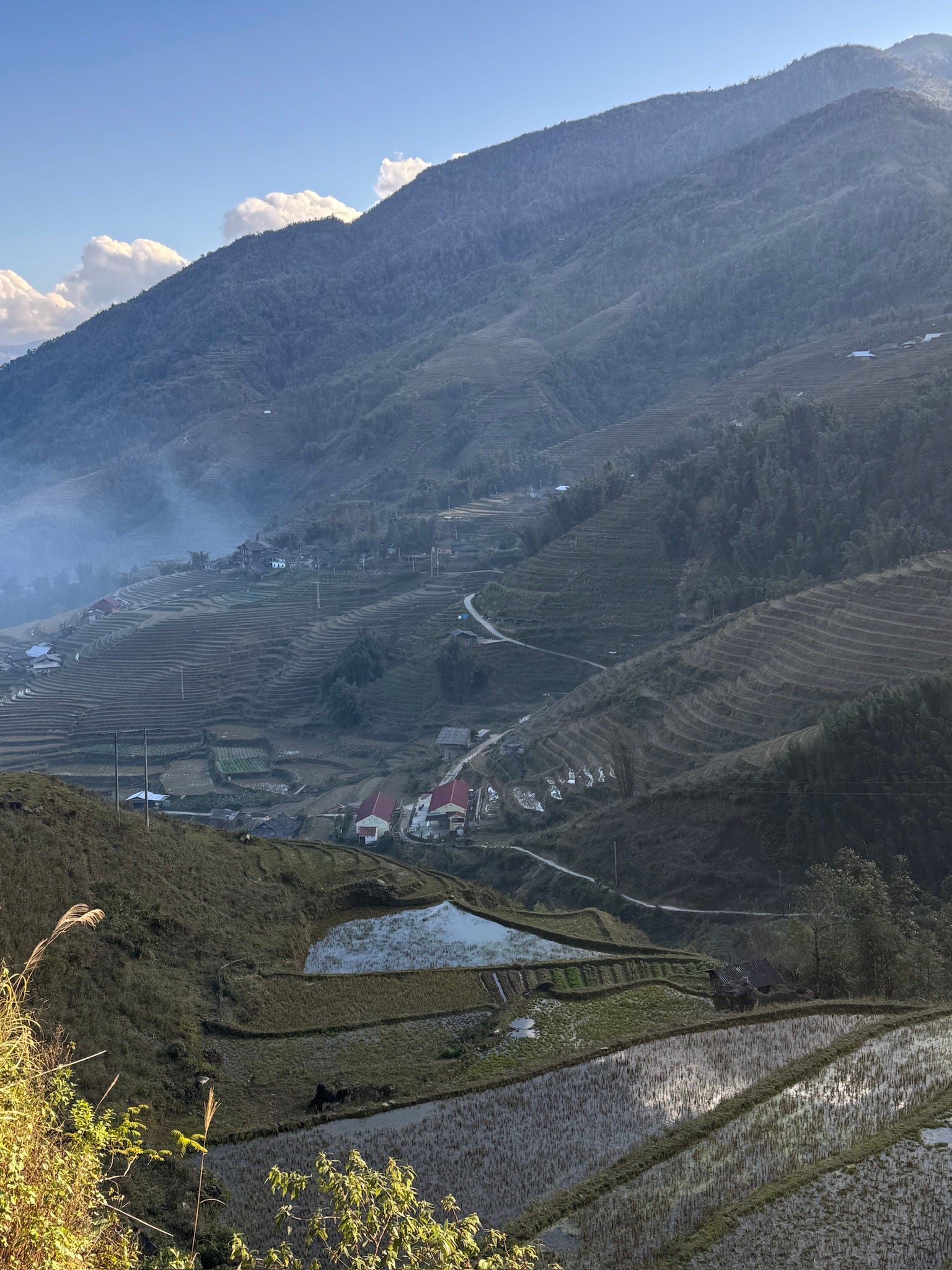
Our hotel was slightly outside the town center, tucked away enough that it took a bit of effort to find. When we finally arrived, we asked if we could check in early and were told to wait while they checked with housekeeping. We sat down, ordered coffee, and waited. Ten minutes passed, then twenty, then forty, and eventually more than an hour had gone by with no update. When we went up to ask again, the response was a casual “maybe soon,” which felt like enough of an answer for us to leave. We were hungry anyway, so we went hunting for food in town.
I ordered bun cha again without thinking too much about it. Lea ordered a coconut curry, her brother went for pho, and we sat there eating as we took in the calm and slightly colder mountain atmosphere.
In the afternoon, we went to the market in the center of Sapa. Lea had been looking forward to it, having heard that there were vendors from different indigenous communities selling handmade textiles. The first floor didn’t match that expectation. It was filled with souvenirs and packaged goods that could have been found anywhere else. But we kept going and made our way upstairs, where things began to shift. In the back, rows of stalls appeared, each run by a woman dressed in traditional clothing, many wearing large red turbans that immediately stood out. You could tell they belonged to the same community.
We started moving from stall to stall, looking through fabrics, touching everything, asking questions where we could. That initial excitement drew attention quickly. Vendors began approaching us one after another, pulling us gently toward their stalls, placing textiles into our hands, encouraging us to buy. It wasn’t aggressive, but it was persistent, and it became surprisingly difficult to step away.
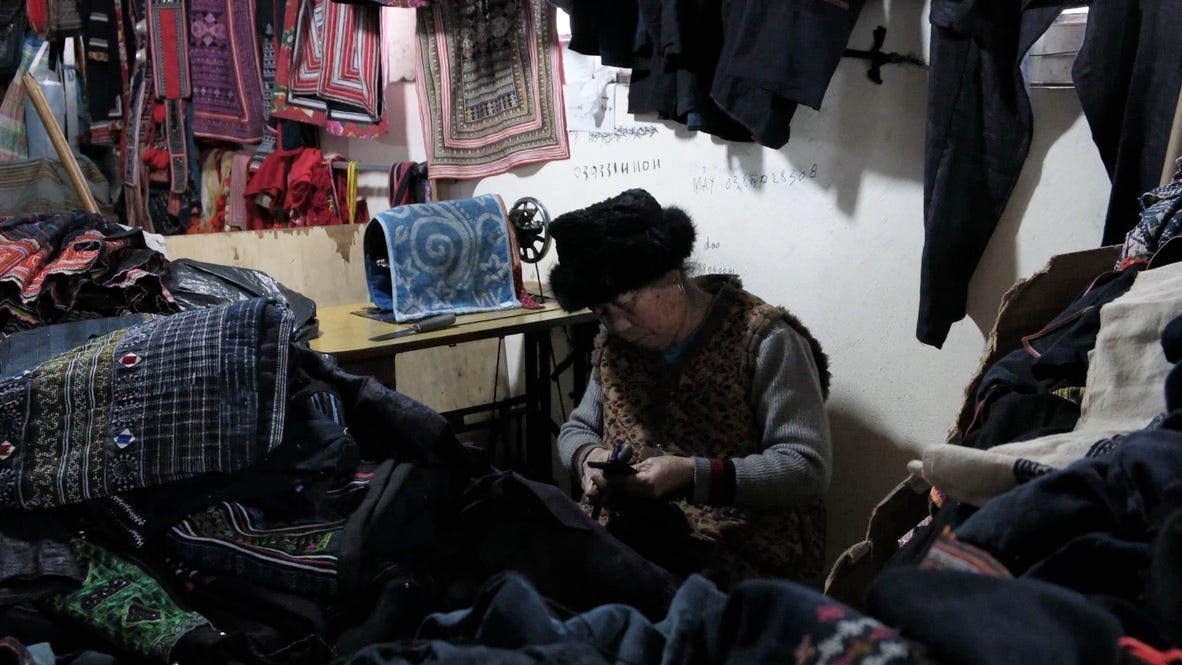
I found myself holding a growing pile of fabrics I had no intention of buying, while an older woman continued adding more, not quite letting me leave. It was hard to say no, not because of pressure, but because it was so clear what was behind it. This was how they made a living. Still, I had to find a way out. I told her I needed to check with my “husband,” which in this case meant Lea’s brother, and used that as an excuse to walk away. She followed me, still holding onto the pile, helping me look for him as if it were a shared mission.
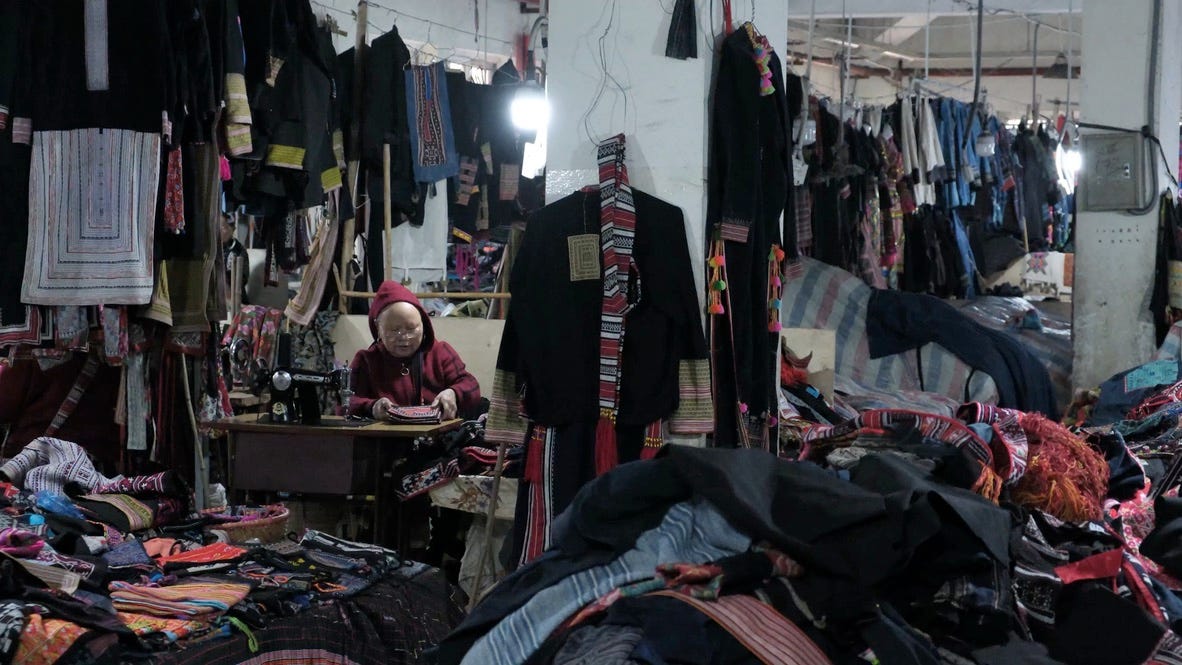
Lea’s brother had disappeared somewhere else in the market, most likely pulled into another stall. Instead, I found Lea at the far end, completely absorbed in conversation with a vendor named Ta May. She spoke English, which immediately changed the tone of the interaction. Instead of trying to sell us something right away, she started explaining the textiles. She showed us how to tell where each piece came from, how to recognize patterns from different communities, and what distinguished one from another. She told us she was from the Red Dao community (pronounced Red “Zao”), which explained the red headpieces we had been seeing everywhere.
I was surprised by how she had learned English. She picked it up from speaking with tourists over time, not through formal education. She couldn’t read or write it, but she spoke it effortlessly.
As she talked, the textiles started to feel different. They began to carry identity. Each pattern signaled where someone was from, what community they belonged to. It felt direct and unapologetic, very different from the way we tend to approach identity, where so much effort goes into standing out individually and being different. Here, there was strength in continuity, in holding onto something shared.
Lea ended up buying a few pieces, and we exchanged contact information with Ta May before leaving. It felt like we had finally connected with something real after the chaos of the market.
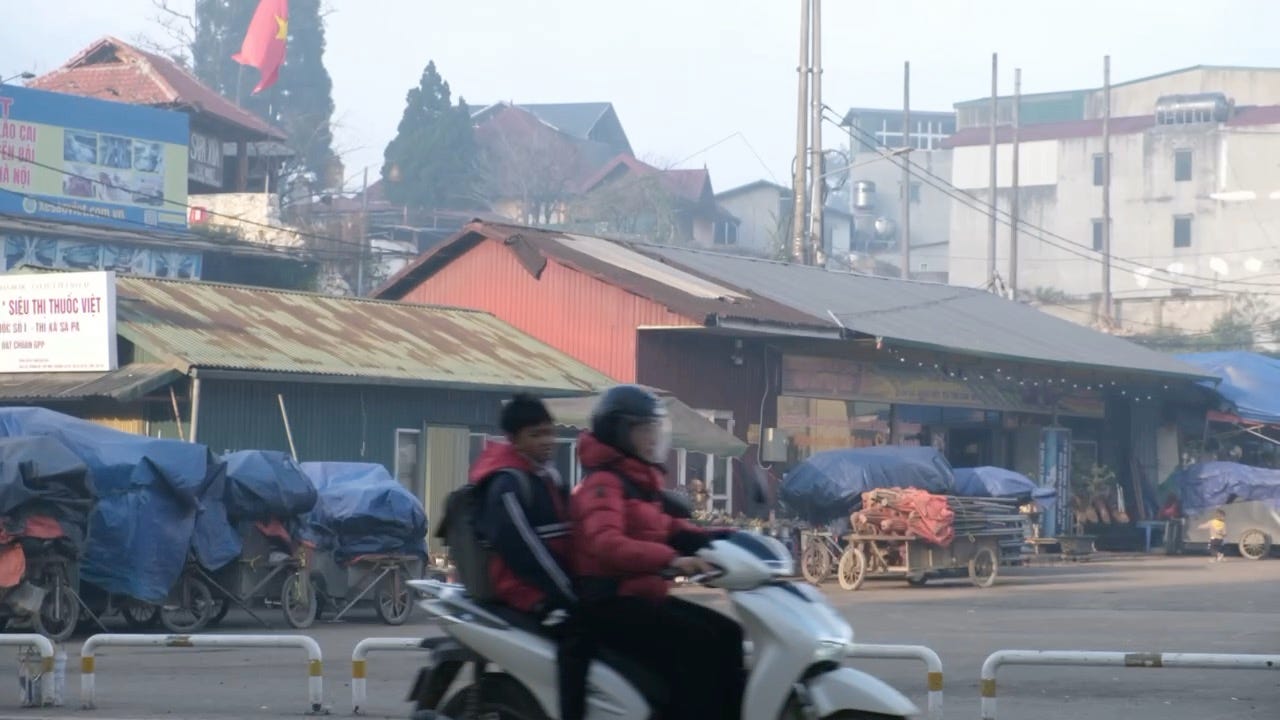
That evening, we stayed in. It had gotten cold, and going back out didn’t feel necessary. We made a fire in our room and ordered pizza and fried chicken. Then we sat by the fire, had a few drinks, and went to sleep knowing the next day would be the main event.
The trek started early the next morning. Before we left, the trekking company gave a short introduction about why they started their business. They explained that they wanted to bring people into the mountain villages to see how the locals live. I wasn’t sure how much of it was marketing, but I was curious enough to go along with it. Our group was just the three of us, and our guide’s name, coincidentally, was also Ta May. She later explained that all eldest daughters are named Ta May.
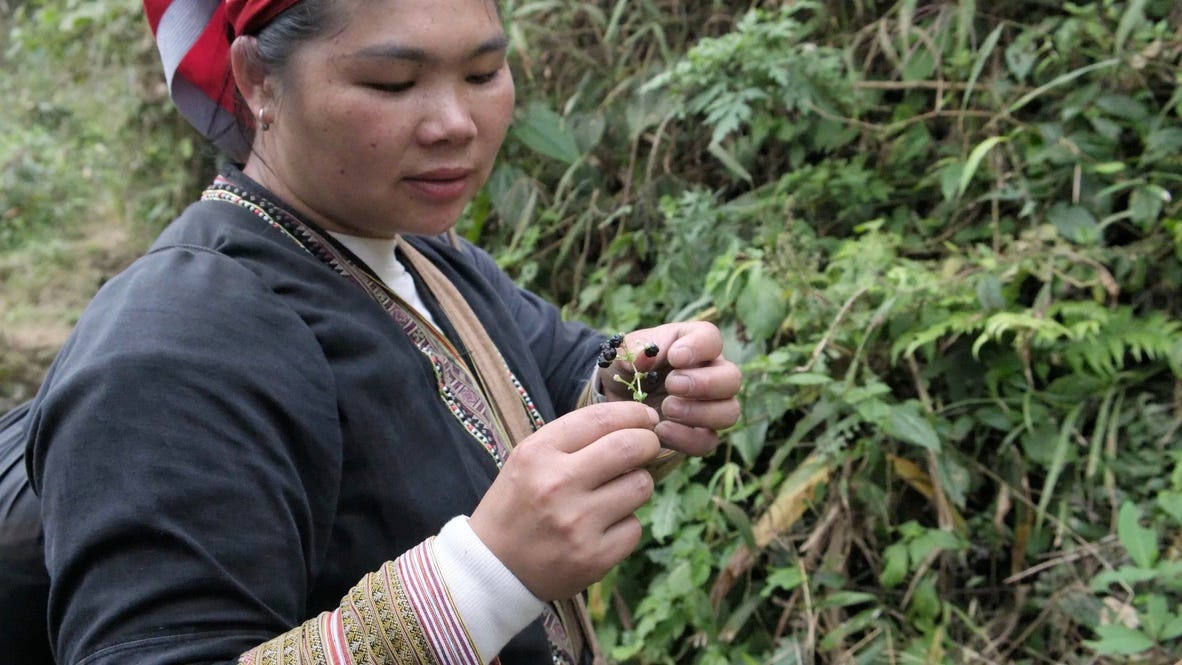
It became clear right at the start of the trek that Ta May knew this land by heart. As we walked, she would stop to pick leaves and fruits, handing them to us to taste. One was sour, another sweet. She just handed them to us like a matter of fact, as if we were walking through her backyard.
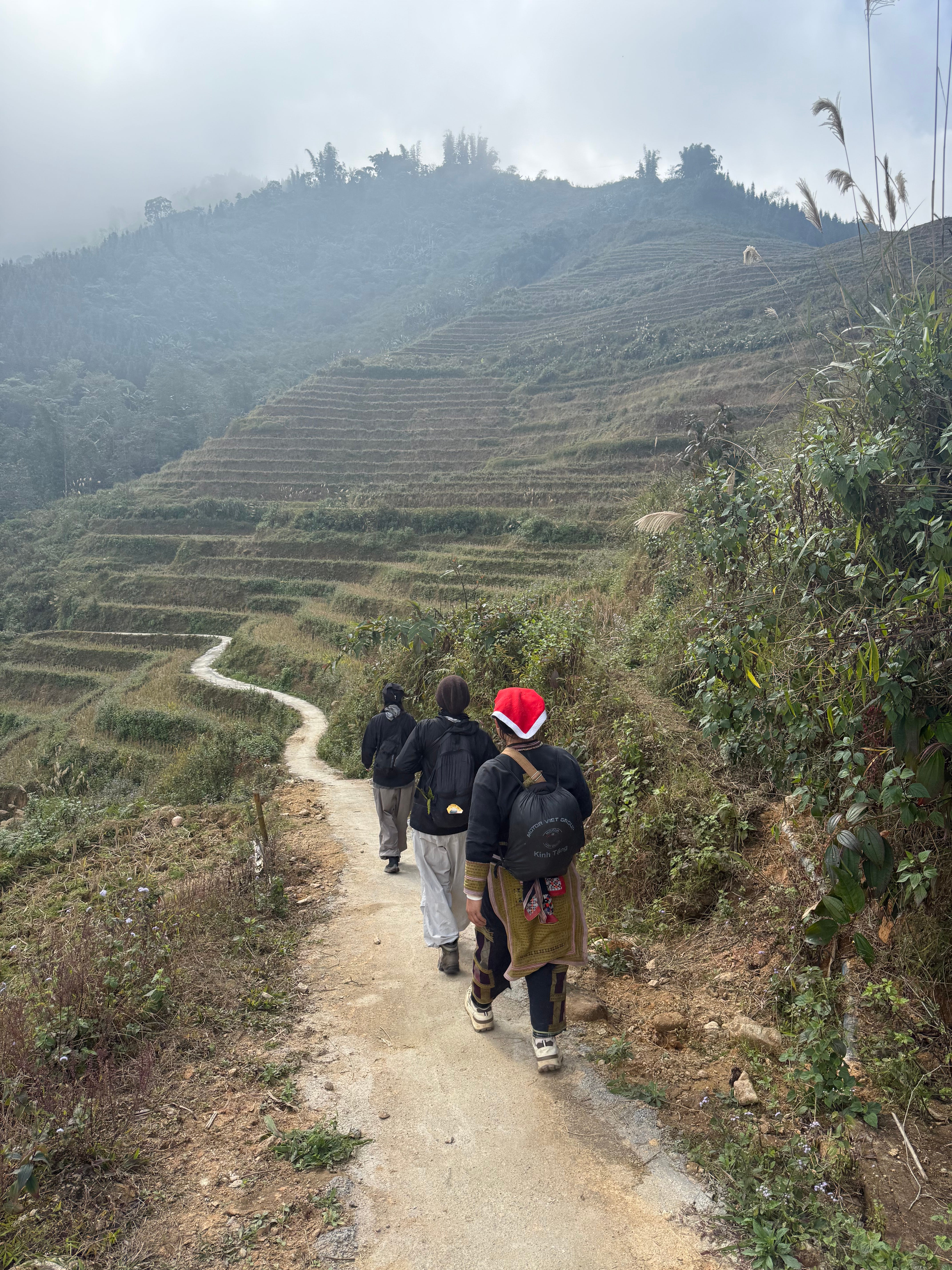
The first part of the trail felt easy, almost relaxed, and for a moment we even talked about bringing our parents here next time. That didn’t last long. The path narrowed, the incline picked up, and soon we were moving through sections that felt closer to a jungle than a trail. There were uneven rocks, steep drops, and sections where you had to pay close attention to every step.
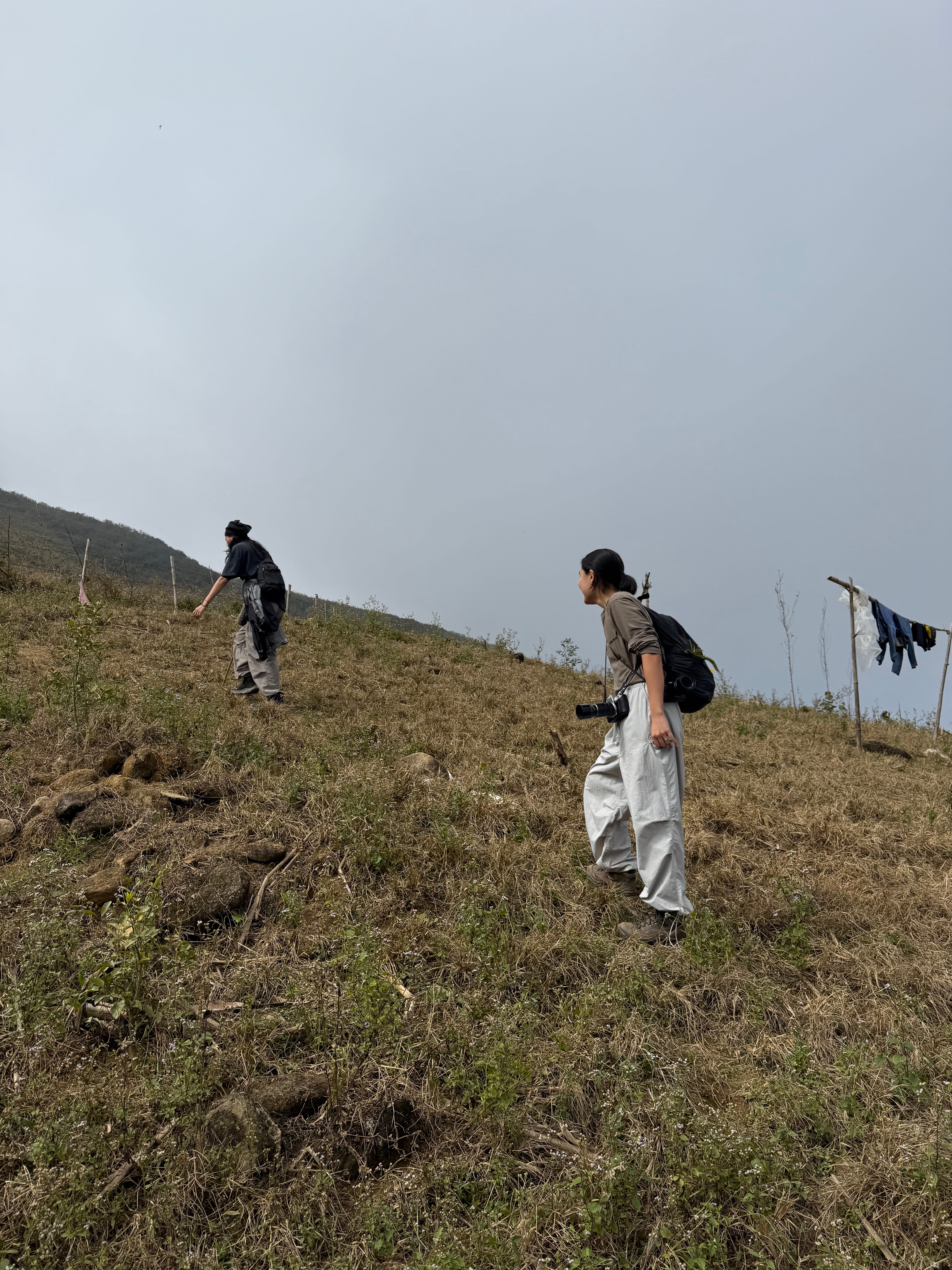
As we continued walking and tasting whatever she handed us, the conversation started drifting into other parts of her life. We asked her about relationships, and that’s when she told us how marriage works in her community. She laughed a little before explaining it, like she already knew how it might sound to us. Most people don’t really date the way we do. Families are involved from the beginning, and once arranged, the groom’s side will come and “kidnap” the bride to his house.
She said it very casually, like it was just another normal part of life. Apparently, the bride is expected to resist a little, not seriously, but enough to show she doesn’t want to leave her family too easily. The way she described it made it sound almost playful, even though the idea felt so far from how we think about relationships.
Then she moved on, pointing out another plant for us to taste.
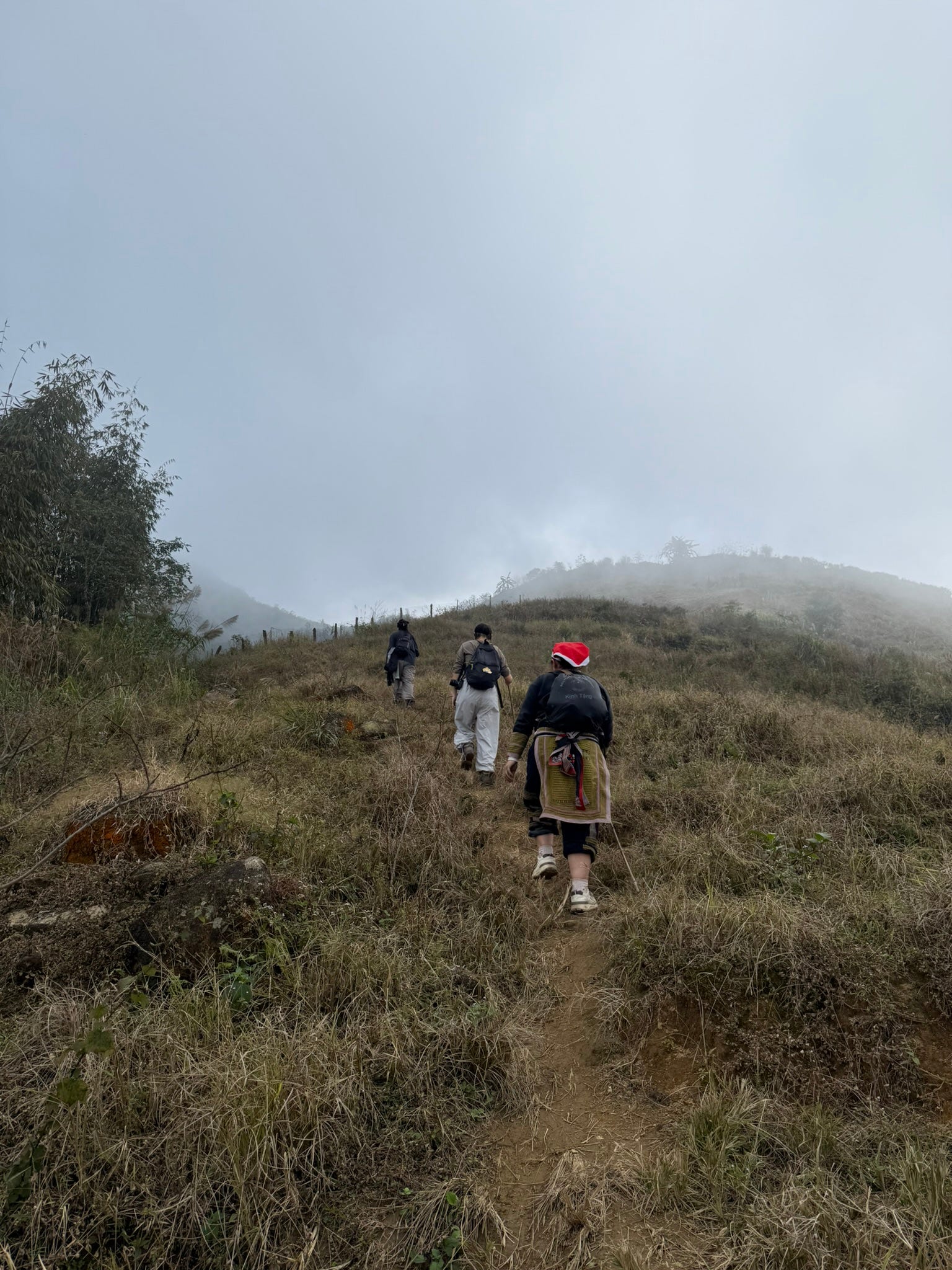
We had started around nine in the morning and expected to have lunch by noon. When Ta May told us it would be another two hours, I laughed. I enjoy that kind of surprise. Lea’s brother looked less thrilled. Lea, on the other hand, had already moved far ahead, flying away from us effortlessly.
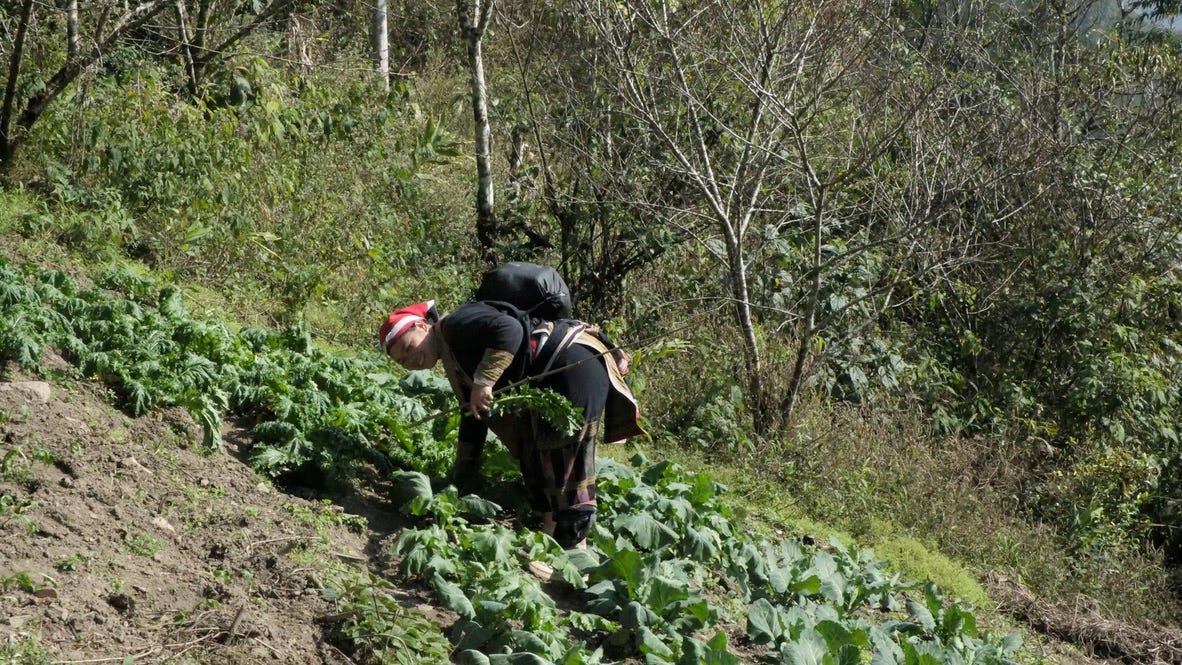
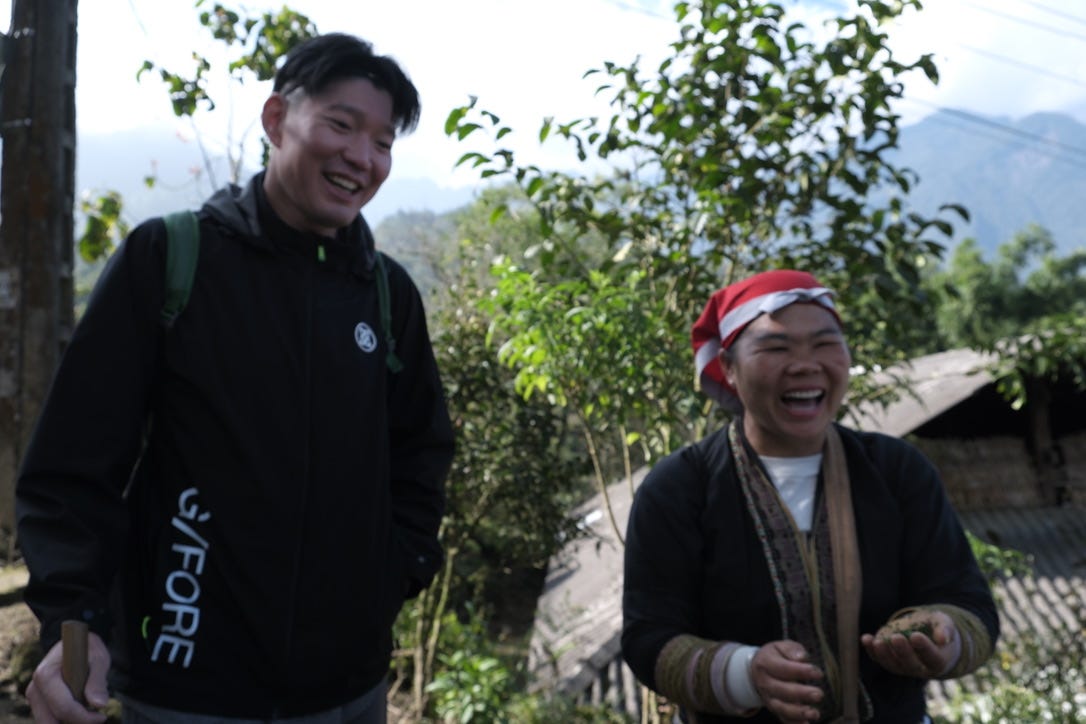
Eventually, we reached a small vegetable garden. I started picking vegetables and asked if we were going to get in trouble. Ta May laughed and said it belonged to her friend, who would be cooking lunch for us. A few minutes later, two kids ran toward us and handed us a fruit. It was sweet and sour with a large pit inside, something I had never tasted before. As we got closer, I saw smoke rising from a chimney, and we walked into a small house that felt as simple as it gets. A few stools, a wooden platform that looked like a bed, and a small kitchen where the host was already cooking.
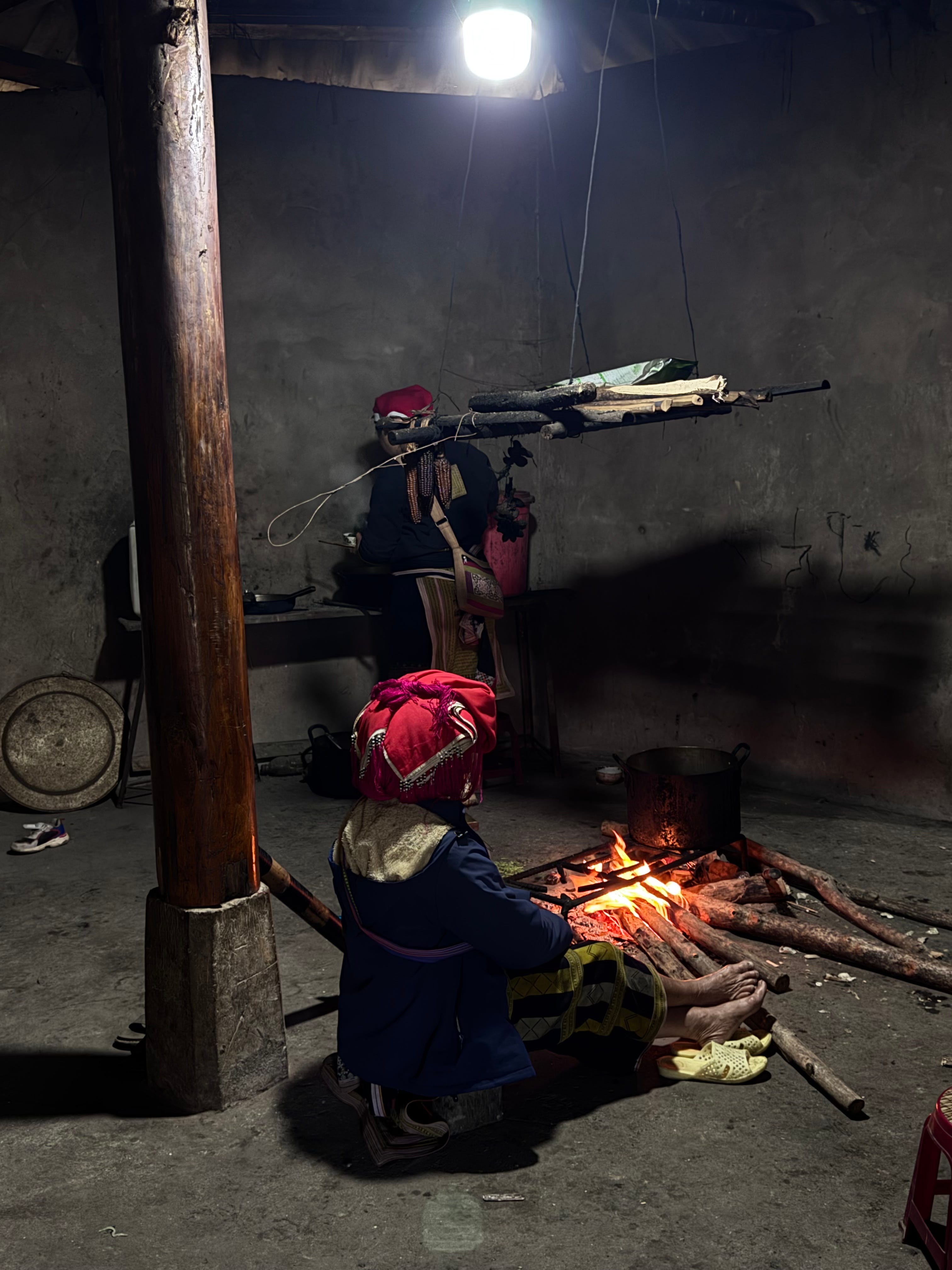
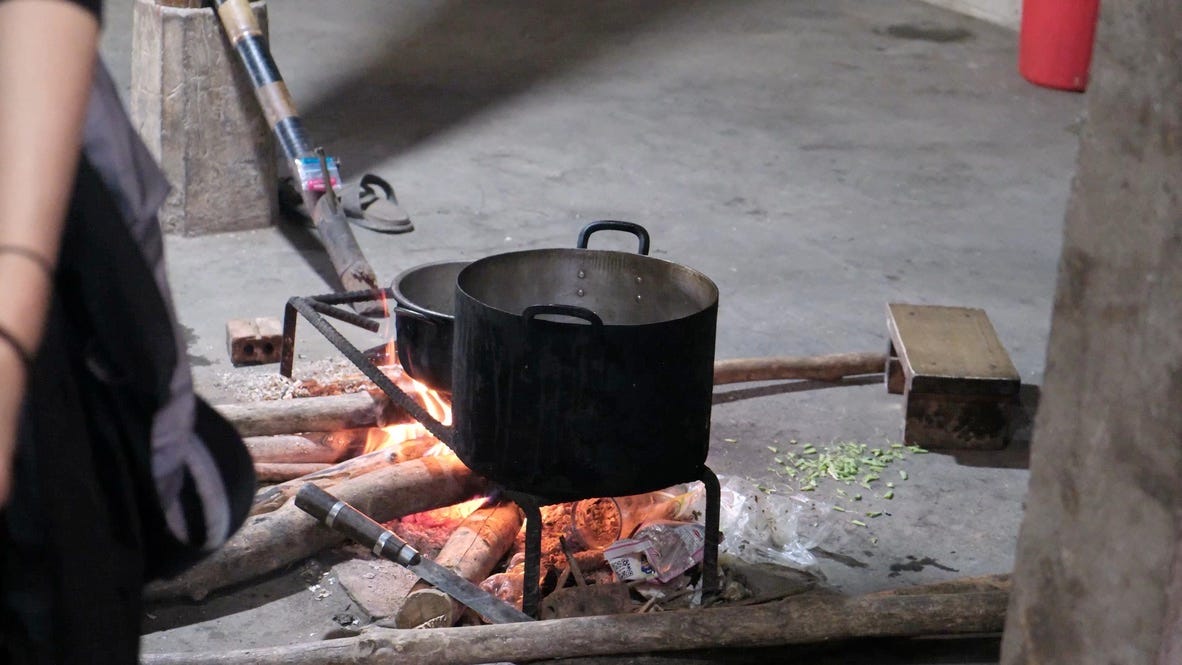
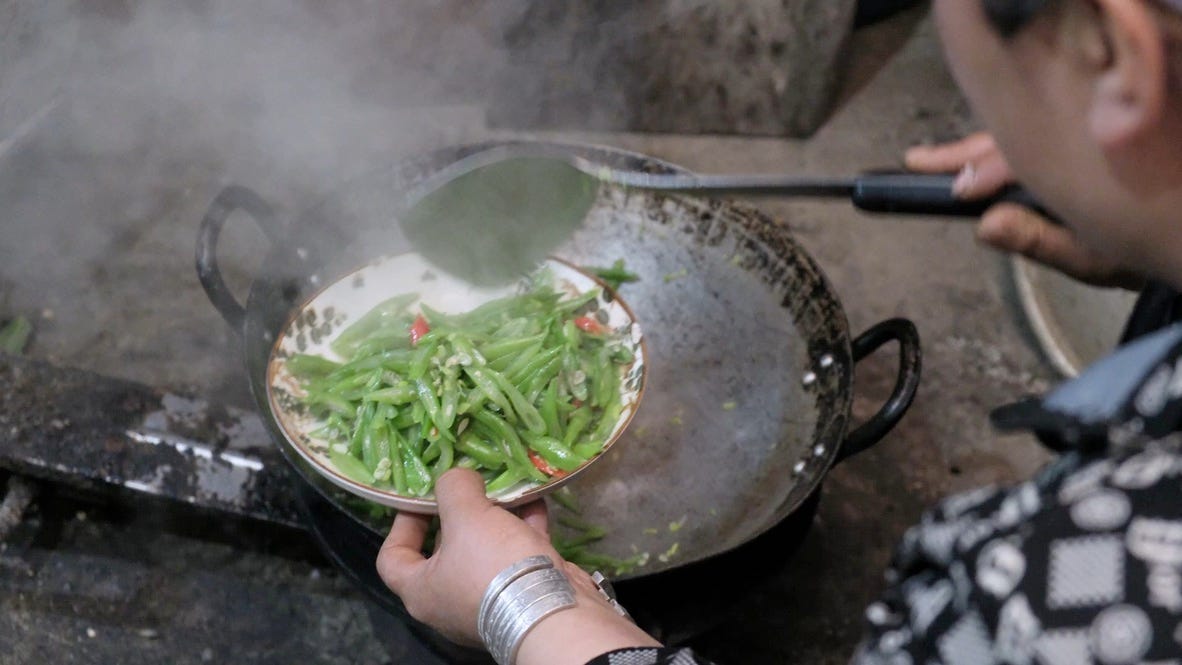
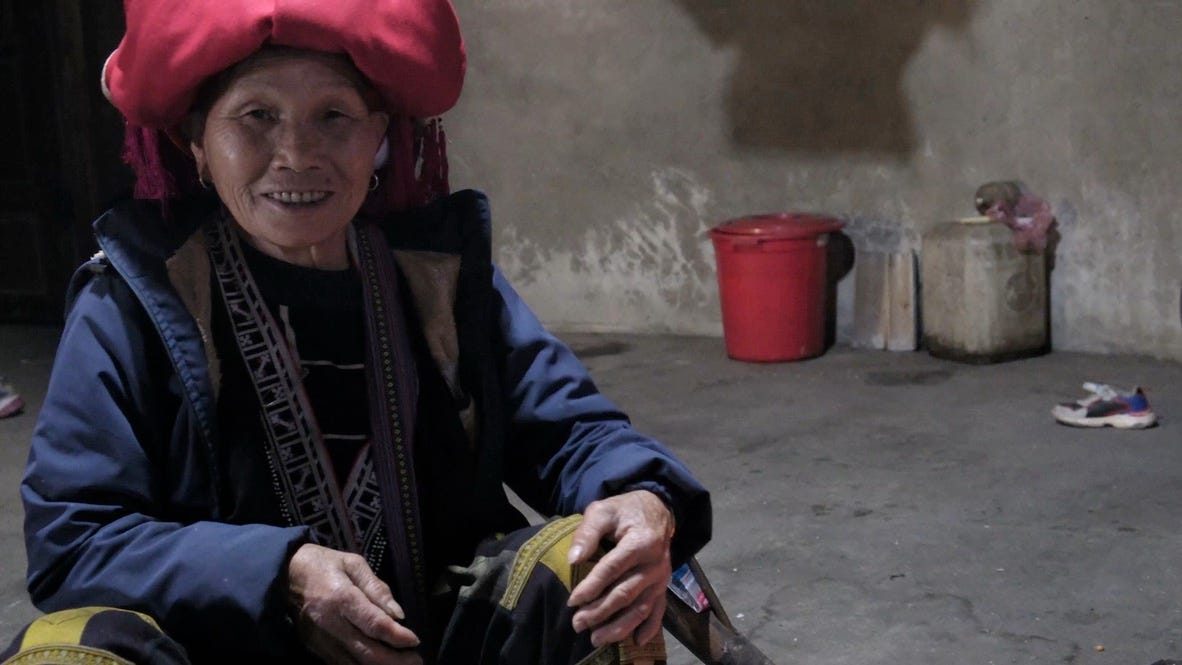
She was stir-frying vegetables I didn’t recognize, including one called CoCo, which I had assumed was cacao but turned out to be something completely different, more like a squash. We sat by the fire while the food was being prepared, next to the grandmother, who didn’t speak much English but seemed genuinely happy to have us there.
Lunch was one of the most memorable meals of the trip. Everything was fresh. Vegetables, pork cooked with fermented spices, bamboo shoots, soup made from what we had picked. The pork tasted strong at first, but once I ate it with rice and vegetables, it started to come together. They kept refilling everything.
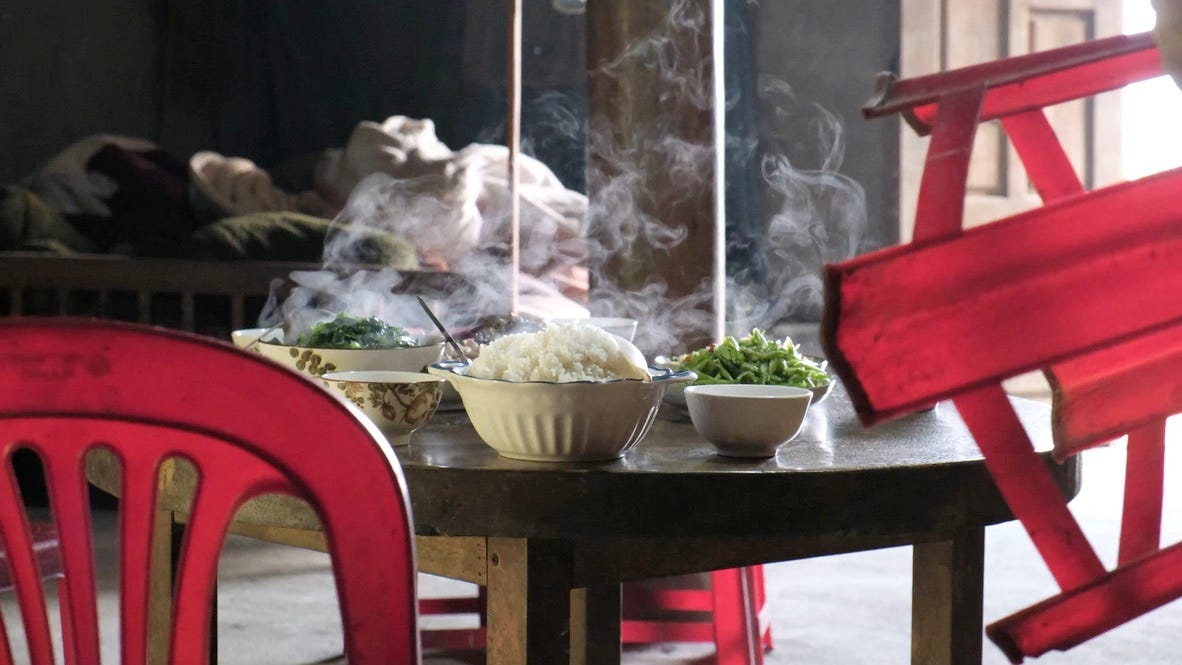
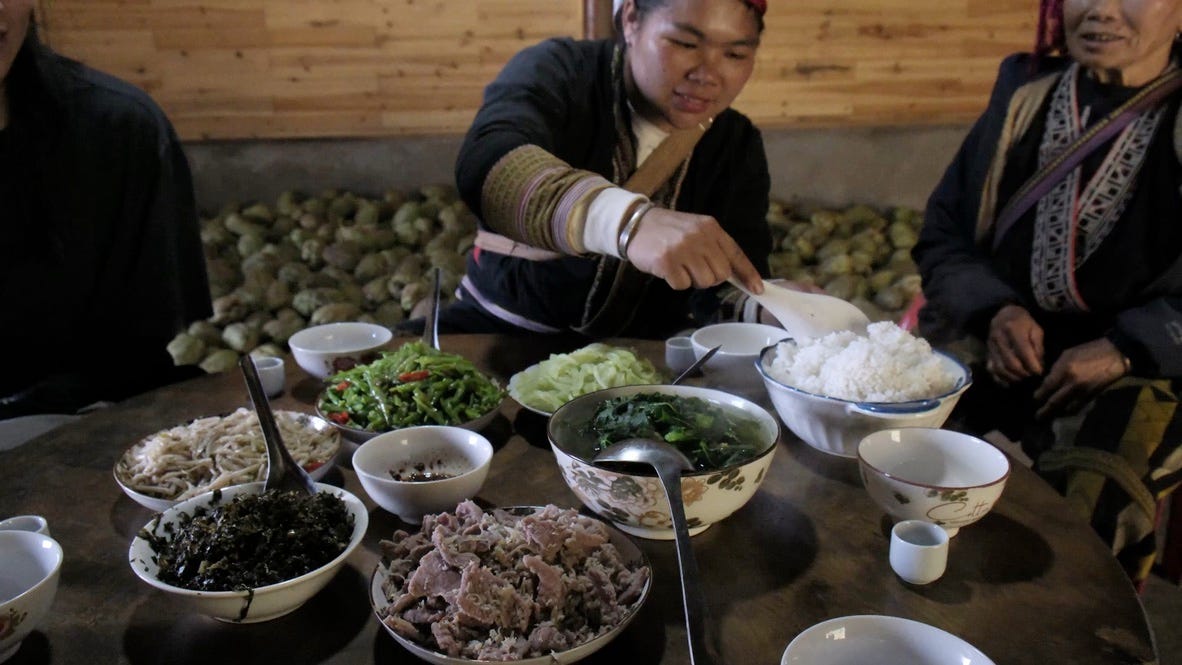
Two bowls of rice and a lot of stir fried veggies later, we had to stop not because we wanted to, but because we couldn’t eat any more.
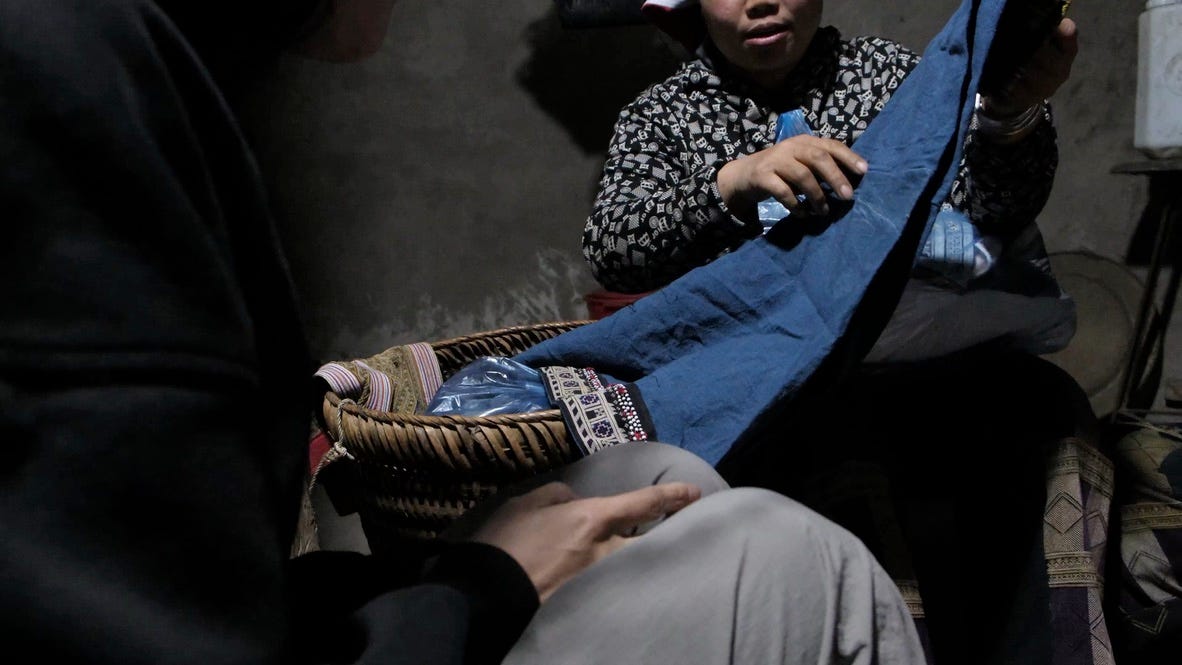
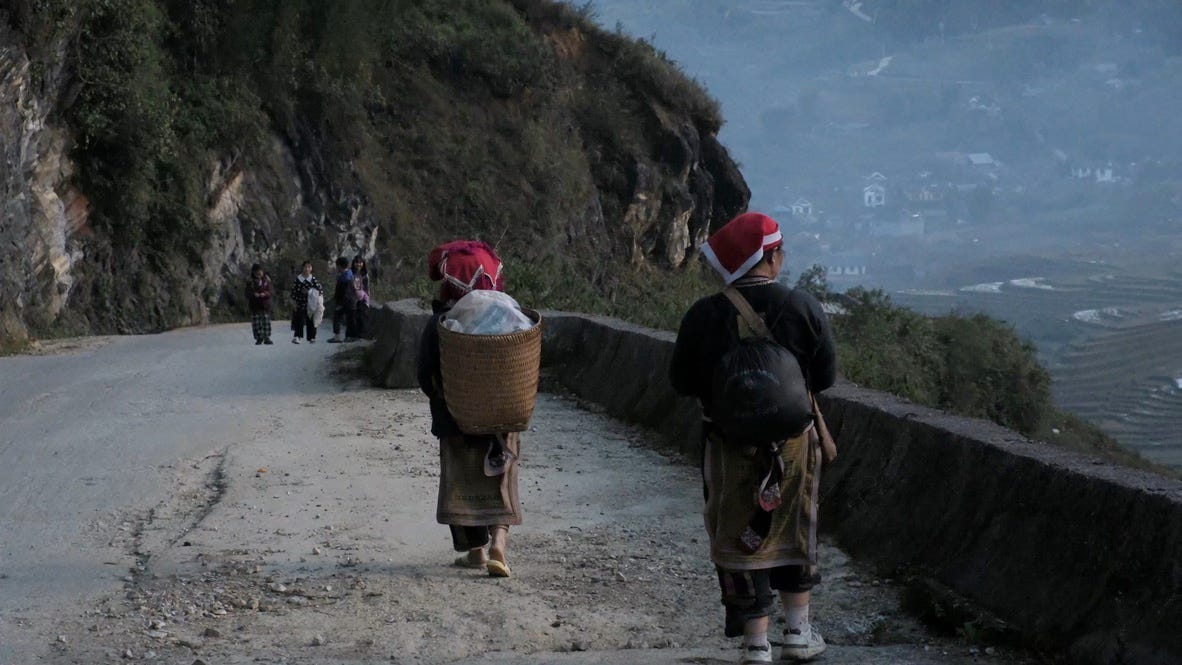
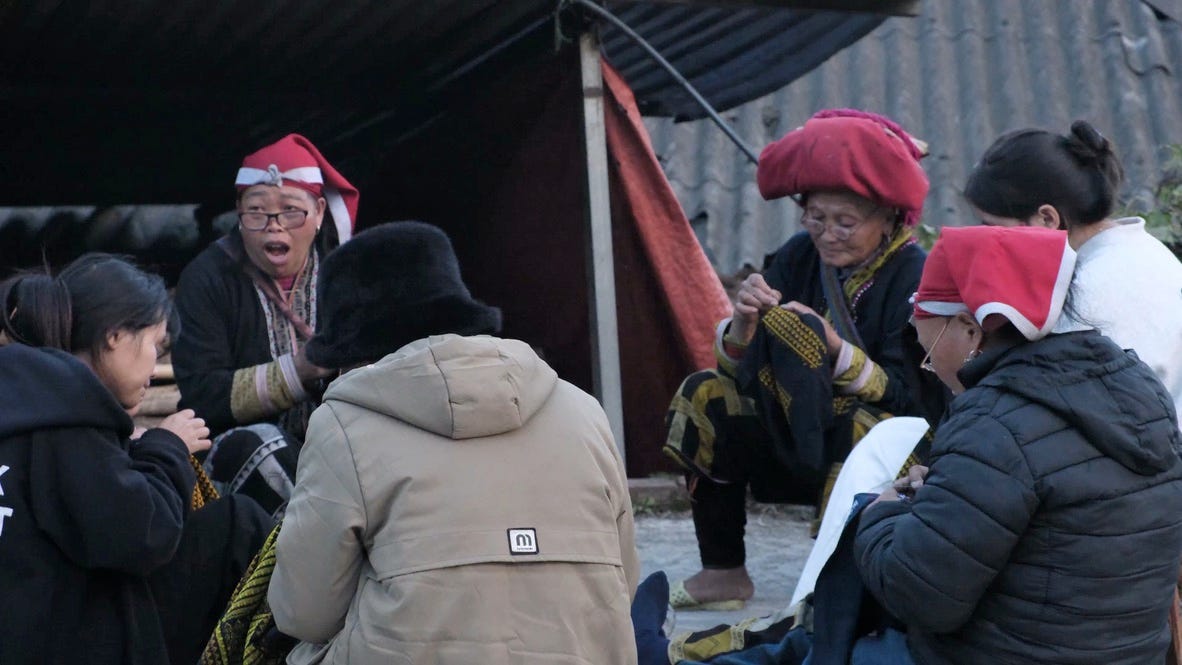
After lunch, we sat by the fire again while the host brought out old textiles for us to look at. We bought a few pieces before heading out. As we left, the grandmother picked up a large basket and started walking with us. I asked where she was going, and Ta May told me she was heading to the market to sell her textiles. It was already mid-afternoon, and she still had hours of walking ahead of her, plus the return trip. I couldn’t imagine doing that in the dark.
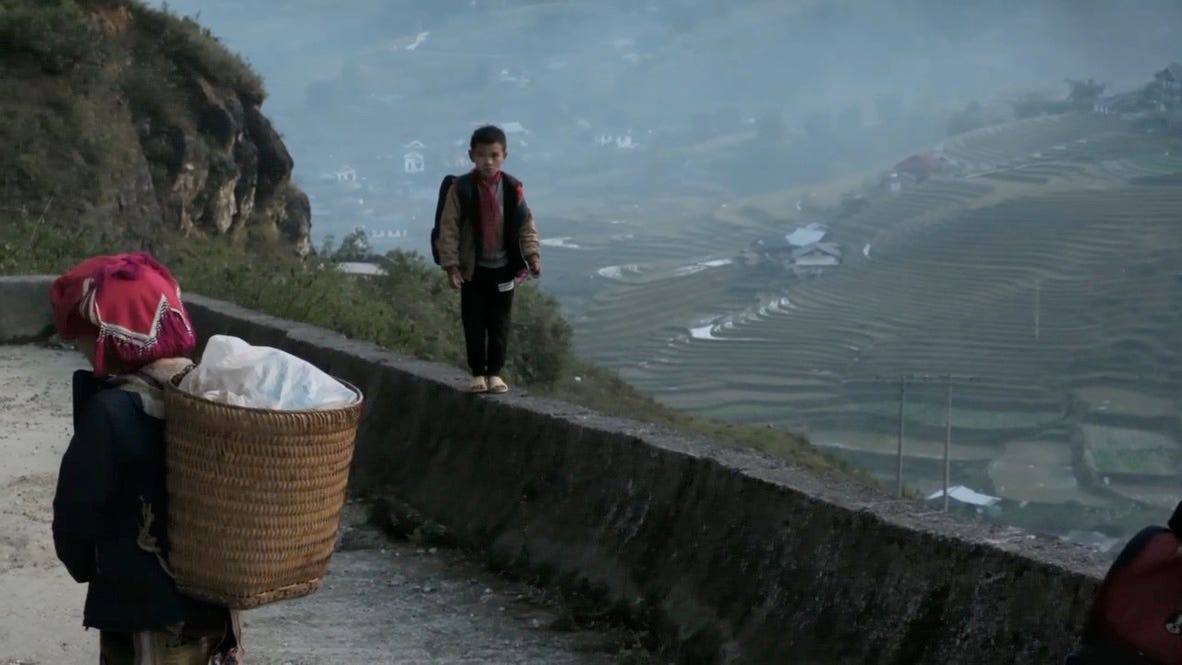
The walk back took us through villages where kids were returning from school. When we asked where the school was, Ta May pointed across the valley to the top of a mountain. That’s where they go every day. It would take them almost two hours each way, but they didn’t seem bothered. They were laughing and running around like the walk meant nothing to them.
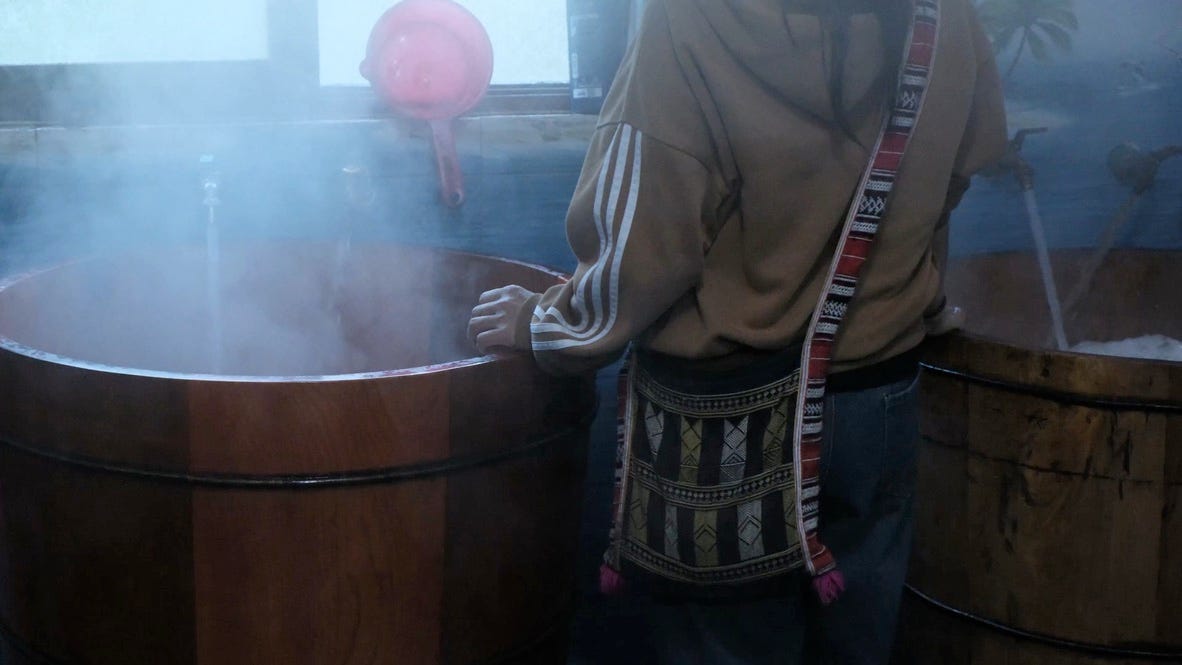
By the time we reached the end, I was exhausted. But the exhaustion felt earned. We ended the day with a herbal bath, each of us sitting in a wooden tub filled with hot water and herbs. There was nothing else, no extra facilities, just the bath. I thought I would just soak for a few minutes, but I stayed much longer.
That night, we went back into town for dinner. Lea’s brother found a place on Google Maps, and when we arrived, the owner looked like she didn’t want to be there at all. After we ordered, her husband got up from a bench, still picking his teeth, and started preparing our food without washing his hands. We could see everything, but there was no turning back. The food came in a boiling stone bowl, and we relied on the heat to take care of everything. It turned out to be surprisingly good, or maybe we were too hungry.
We spent the rest of the night by the fire, waiting for New Year. Lea’s brother fell asleep before midnight, while Lea and I stayed up to write down our intentions for the new year. We usually do this during the solstice, but we had forgotten this year. New Year felt like a good substitute.
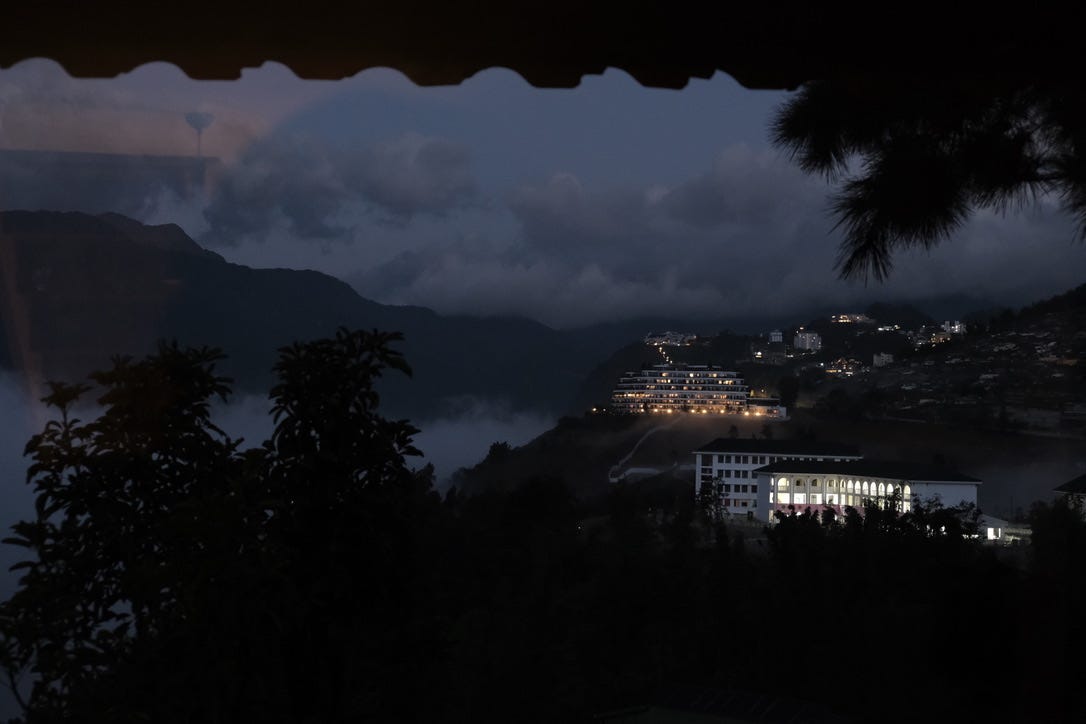
At midnight, fireworks went off across the mountains, something I hadn’t expected at all. I burned my paper and watched it turn to ash. It felt like a good way to begin the year. I hope 2026 will be filled with new adventures and good surprises.