
Note: If you’ve been following the Annapurna series, Episode 3 is coming. But I wanted to share where I am now, because life is moving and I felt like bringing you with me.
I’m back at the same kitchen table from summer 2024 (when Lea and I spent a month at the Saruya artist residency in Fujiyoshida), except nothing about it feels the same. Last time it was scorching heat, cicadas singing, and me downing iced water just to survive.
This time it’s freezing. The windows are fogged up, everyone’s layered like onions, and the mountain looks exactly like a postcard.
I’ll admit something. I kind of dreaded coming back. Not because I didn’t love being here, but because last summer felt complete. A “thank you for the challenge and growth, goodbye forever” kind of place. But I guess life forces rerun sometimes, especially when you don’t feel like it.
Back then I had just quit my job and needed something to hold onto, so I decided natural dyeing would be my new personality (inspired by Lea). It made sense at the time. I needed a central hobby or identity to replace the one I’d just thrown out the airplane window.
Leaving the job felt freeing and horrifying. Work was probably 70% of my identity, even though I didn’t want to admit it. I liked to see myself as spontaneous and adventurous, but I also never truly let go of the safety net that made me feel functional and responsible. Coming here last summer was the first step into the unknown. A dark hallway with no railings and no signs telling you “you’re doing the right thing”.
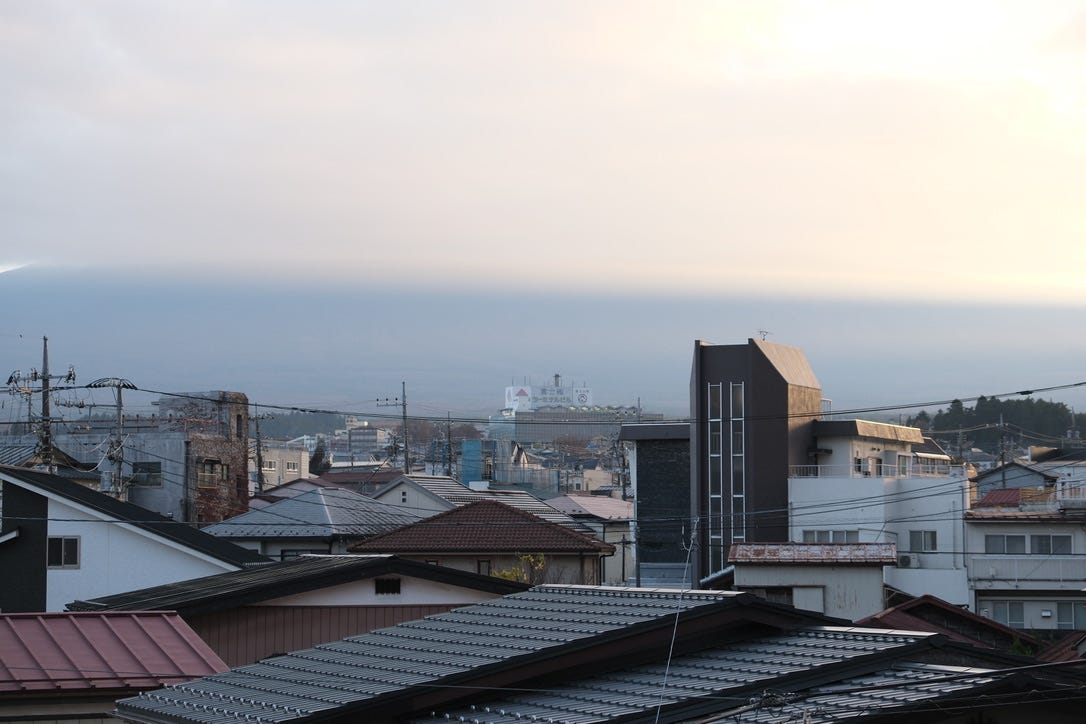
I’d wake up at five in the morning even though I had nowhere to be. If I slept in, guilt would scream at me like a judgmental ghost. I’d sit outside with my notebook and watch the street gradually brighten up, pretending I was a poet instead of someone panicking about her life choices.
My brain did what it always does. It came up with a project, a plan. A unnecessarily big one. I planned to dye with fifteen plants, six variations each, ninety total experiments. Five per day, eighteen days total, plus buffer time. A full production schedule… for absolutely no reason. No deadline, no boss, nobody waiting for results. Just my anxious need to feel purposeful.
Sometimes while stirring pots of plants and feeling productive, it would hit me. What am I even doing? I quit my job, left New York, and now I’m dyeing fabric in a rural Japanese town for nothing. Then the spiral would begin. What if everyone else moves forward and I return as the person who “went to find herself” but instead found nothing but regret?
But then there were also moments where everything dropped away. When I felt 200% present, meeting people, laughing, making dinner together, working with my hands. Those moments felt liberating, like breathing normally for the first time after holding my breath for years. I wasn’t performing or optimizing. I simply existed.
Maybe that’s why I resisted coming back here. This town holds a version of me that was both very alive and very unstable. (Fine, also very sweaty.)
Before booking flights this time, I told Lea I might skip the first week and meet her later. I had momentum with my tea work and didn’t want to pause was my excuse. But that was ridiculous. She had worked so hard on her exhibition and I wanted to be there for her. So I booked the same flight after all.
We landed at 4 a.m. in Tokyo. The rental car wasn’t ready until 8, so we found an airport onsen and tried not to fall asleep in hot water.
By the time we started driving toward Fujiyoshida, it was almost noon. The car was stuffed with five suitcases, including a microwave box carrying one of Lea’s sculptures. The people at the car rental was giving us weird looks. I think they genuinely believed we flew from Taiwan with a microwave as an emotional support appliance.
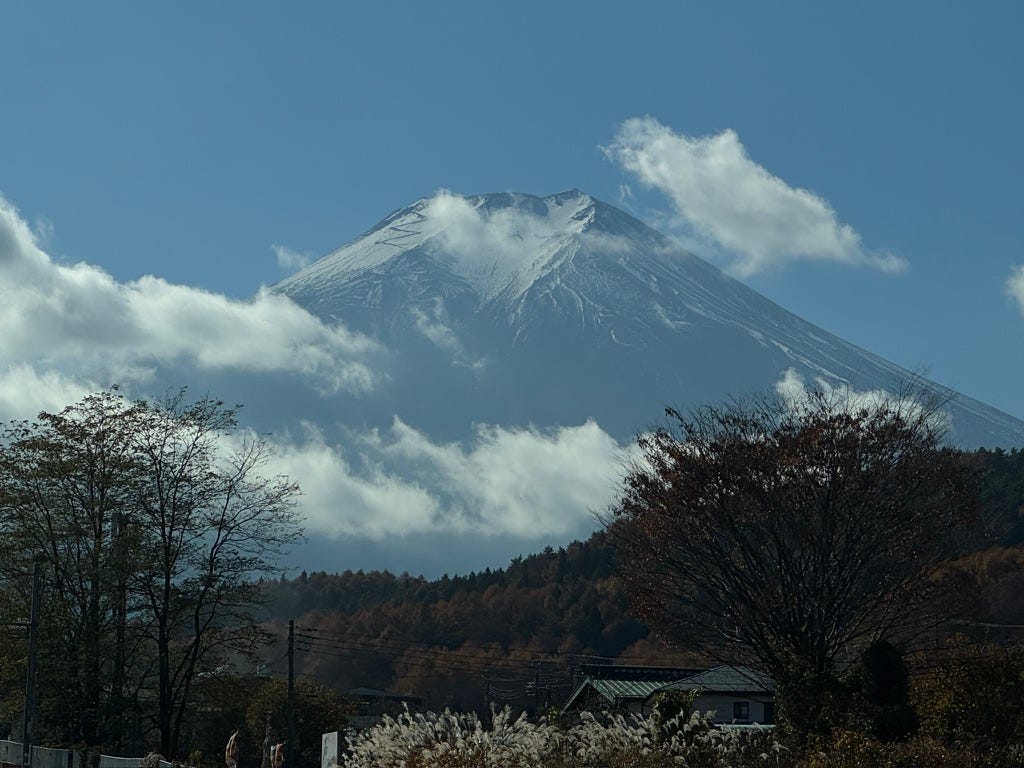
When Mount Fuji appeared, it didn’t feel like the mountain I saw last year - one that was bare and black. This was the one I grew up seeing in magazines and postcards - the snow cap version, the iconic one.
We arrived in town and immediately saw crowds gathering at the famous intersection to take the perfect Fuji photo. There were even traffic control staff yelling at tourists, which felt very unlike Japan, but also completely necessary.
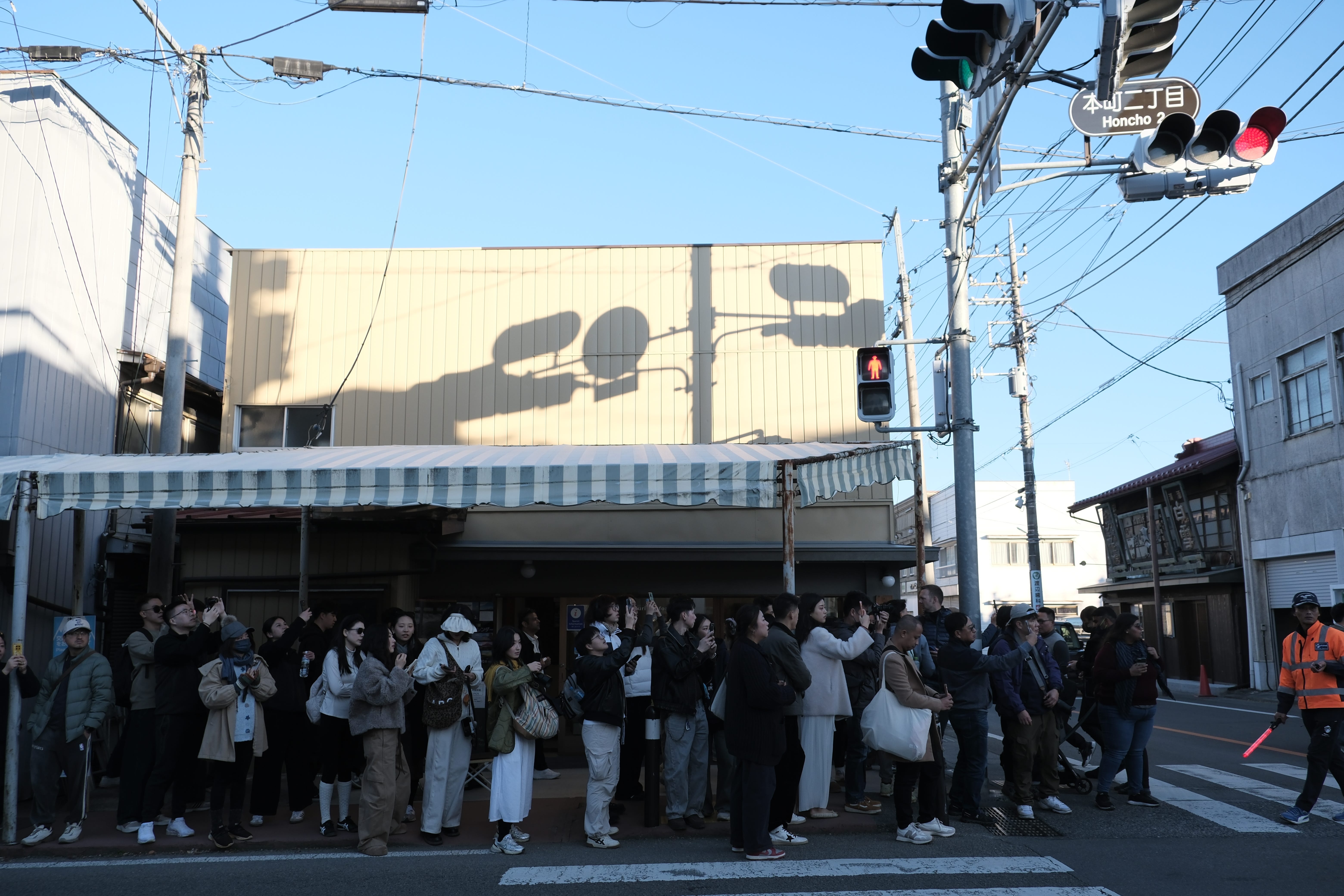
The air felt crisp and fresh. So many new shops had opened. As we walked through the streets, we bumped into familiar faces who waved at us like we were returning locals. I wasn’t expecting that, and it felt good.
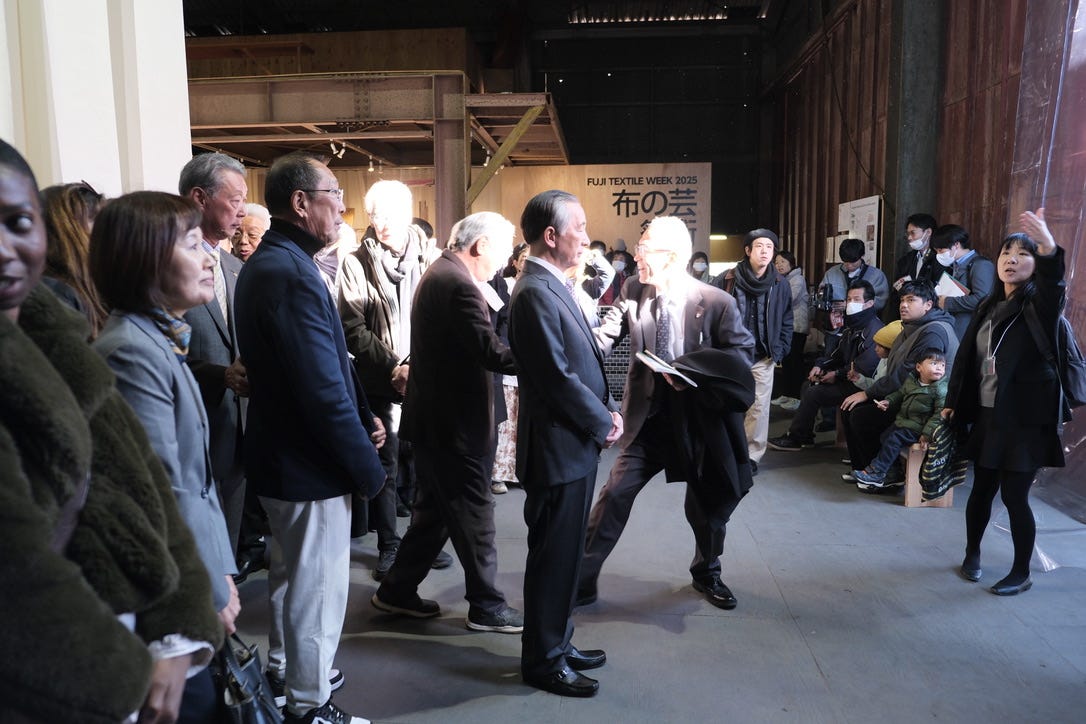
We spent the next two days setting up for the exhibition and meeting the other artists. Eventually the exhibition opened, and suddenly we were surrounded by weavers, artists, photographers, journalists, and people from all over the world who care deeply about textiles. I’m technically here as a plus-one, but somehow I ended up mingling and helping introduce artists like I’m part of the scene.
The group staying at the Saruya artist residency instantly bonded because of our shared experience of living in the same house, biking to the same supermarket, listening to the same tune that the town broadcasts every morning, and relying on late night conversations and a tiny jazz bar as the only entertainment in town. Some are current residents and others, like us, are returning residents that are here for a few days for the exhibition (i.e. Fuji Textile Week).
I always love how artists can seem aloof at first, but give them a day and suddenly they’re laughing, sharing personal stories, and feeding you snacks.
And among this temporary little artist ecosystem, a few friendships escalated quickly. Sometimes you meet someone for just a day and it feels like you’ve known them for years. That’s how it was with Juliette, a French textile artist who’s also exhibiting at the show. We went from politely avoiding eye contact to becoming instant co-conspirators. By the end of the week, we were cheering each other on and doing things we probably wouldn’t have done alone, like going table to table at the official opening dinner and insisting on kanpei to very serious-looking Japanese businessmen.
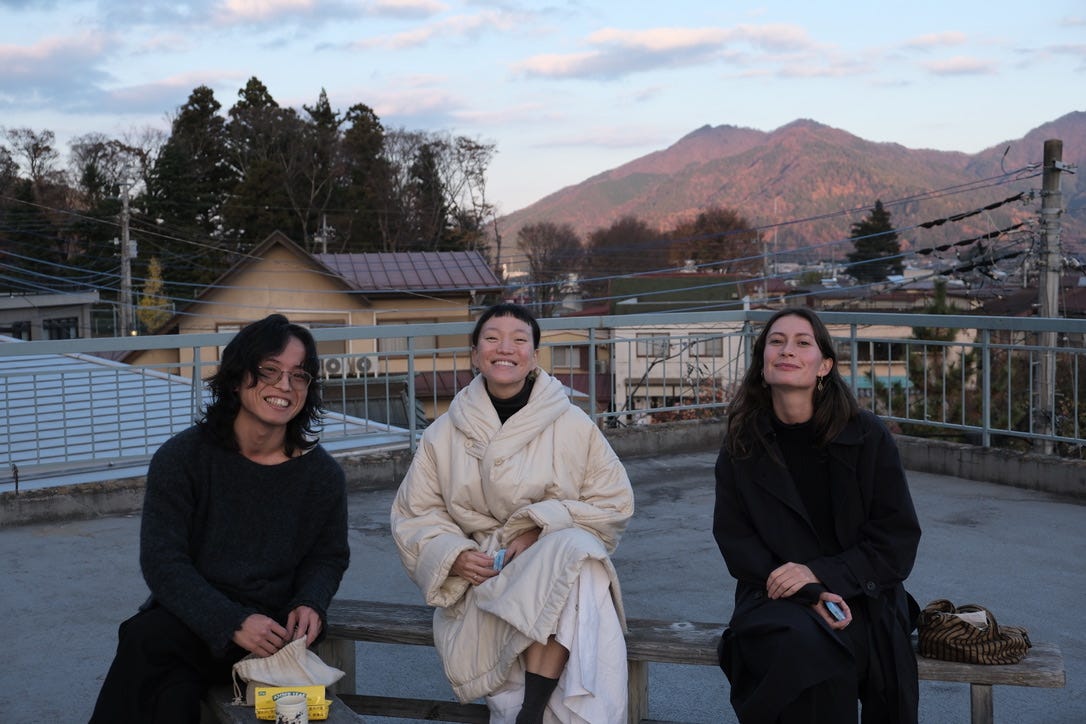
There’s also a duo here from Sweden and Denmark (Oliviar and Lisen) who work with vocal and body improvisation. They led a two-hour workshop that started with exploring our vocal fry and ended with everyone making honest, strange sounds while responding to each other with movement. At one point I leaned so far into the animal energy that I might have accidentally scared someone. It sounds ridiculous when I describe it like this, but it was unbelievable. My brain usually leads everything and my body follows reluctantly, so this was new. It felt good to let instinct take over. At the end, we all wrote down words and phrases that surfaced during the session. I found myself smiling like something in me had softened.
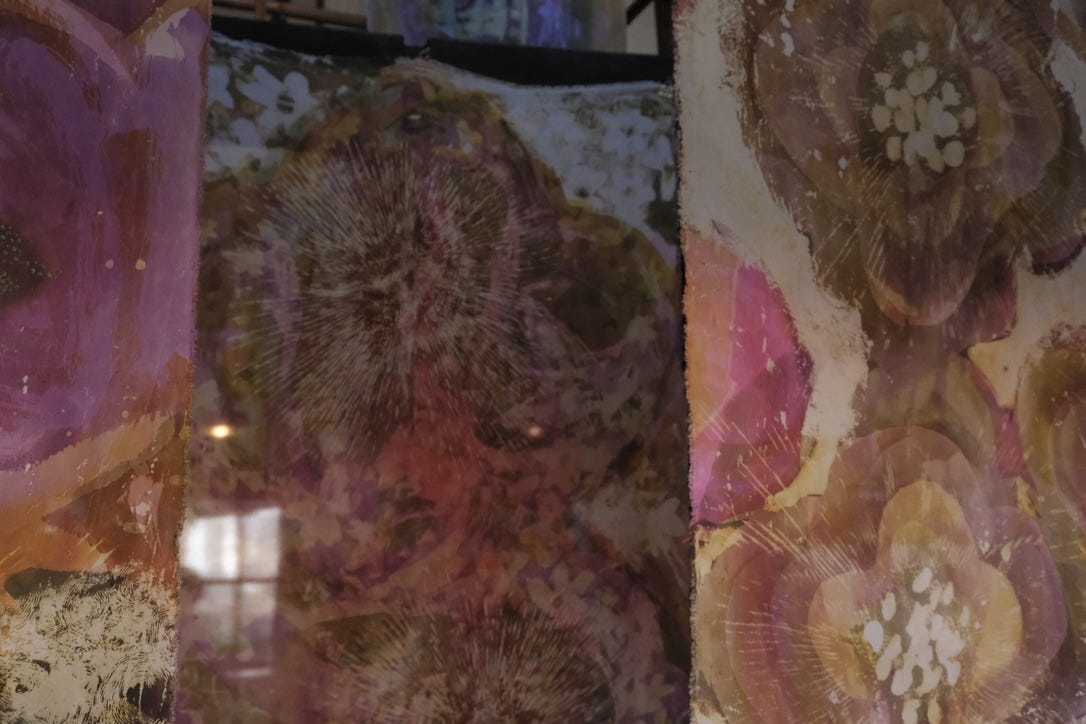
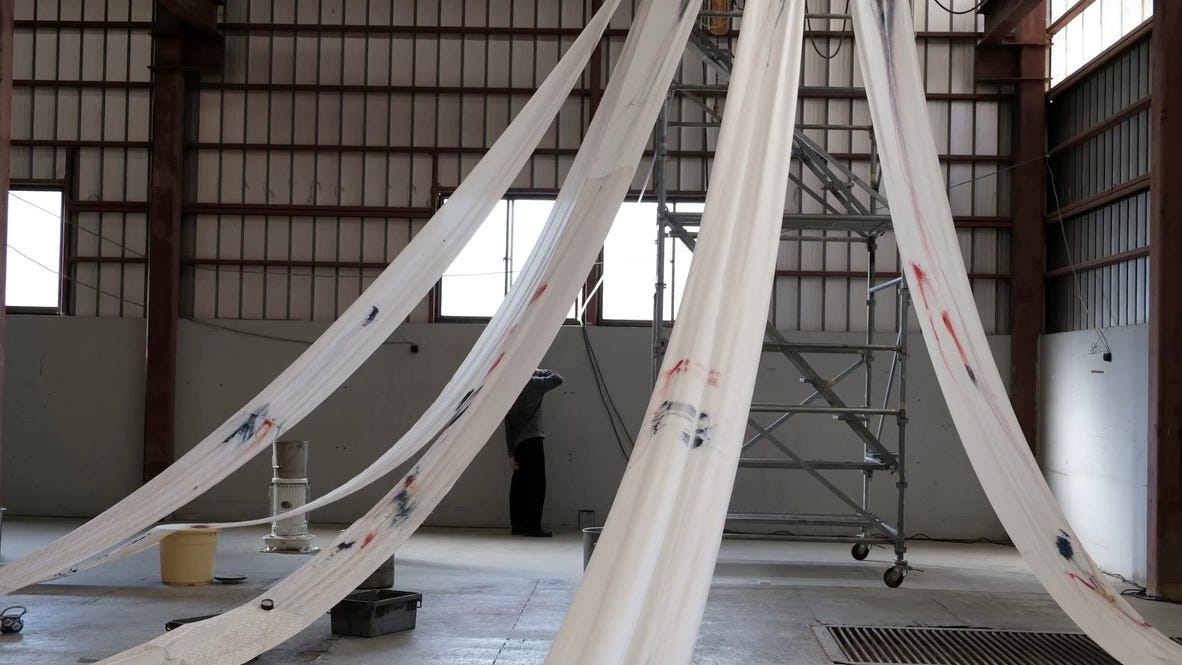
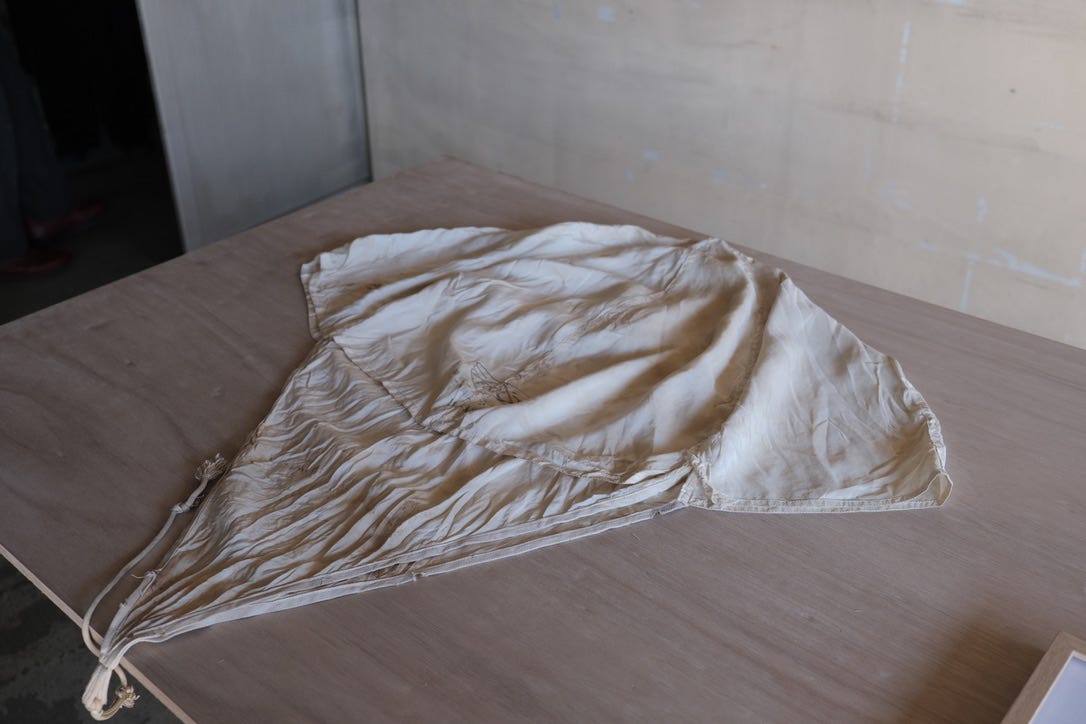
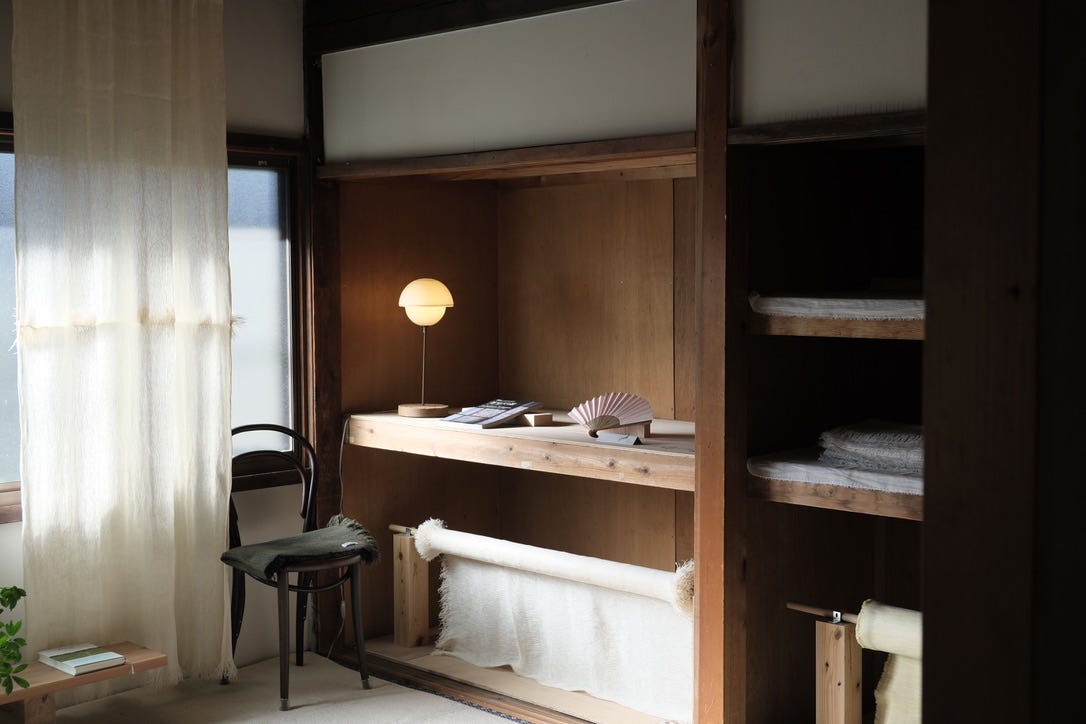
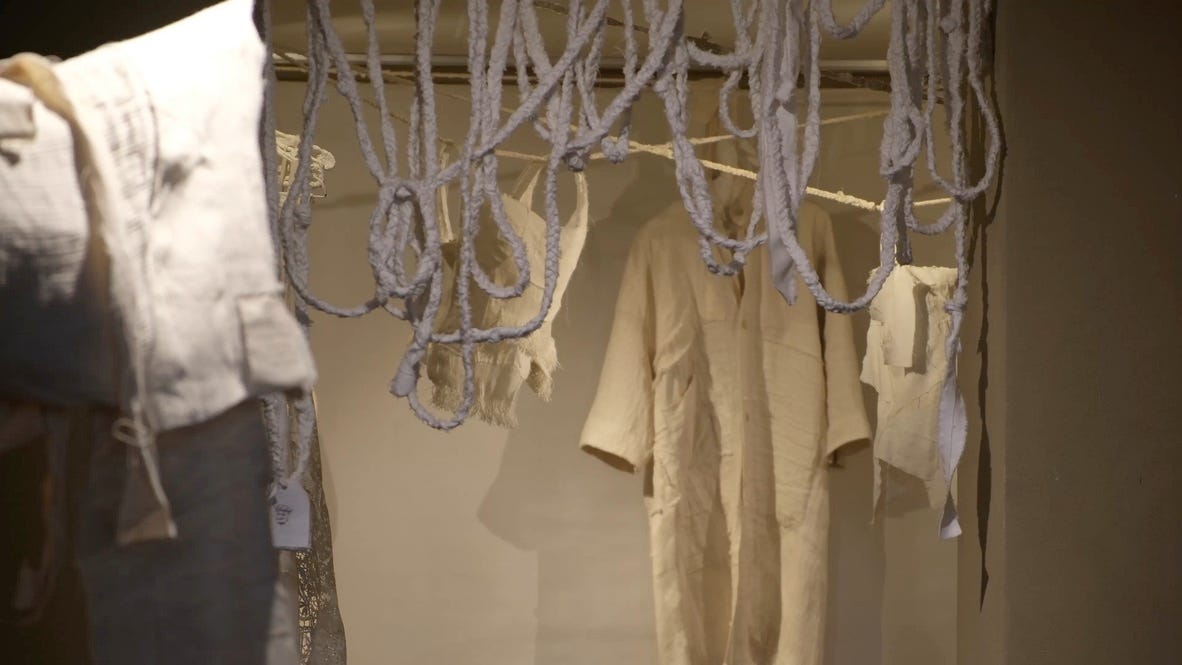
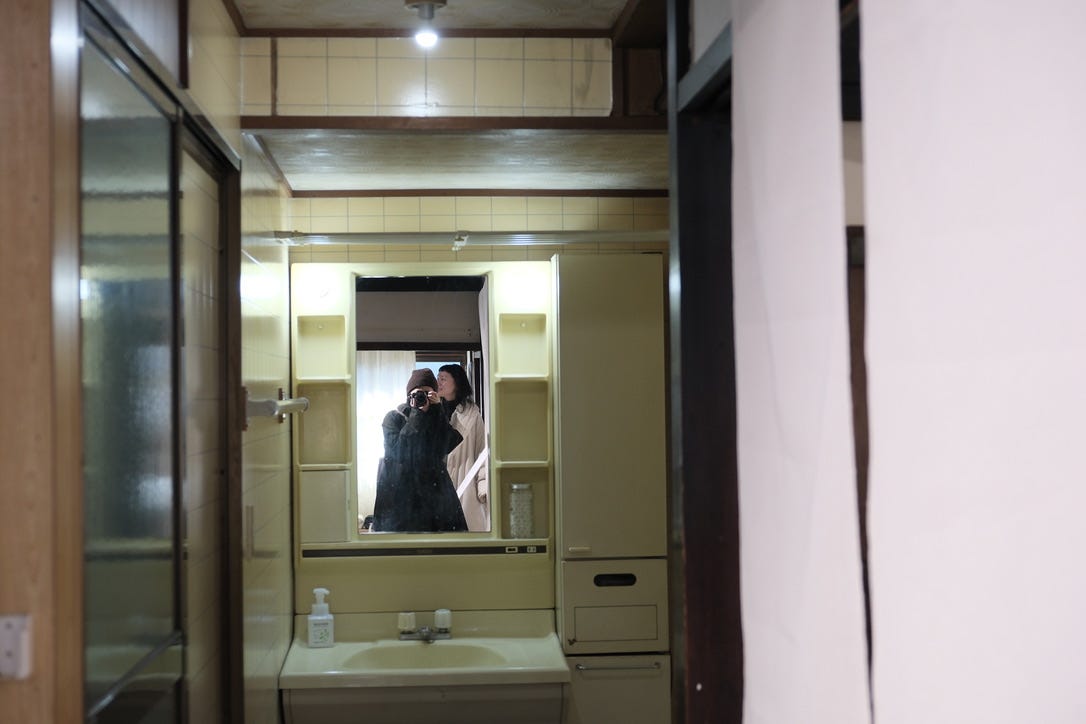
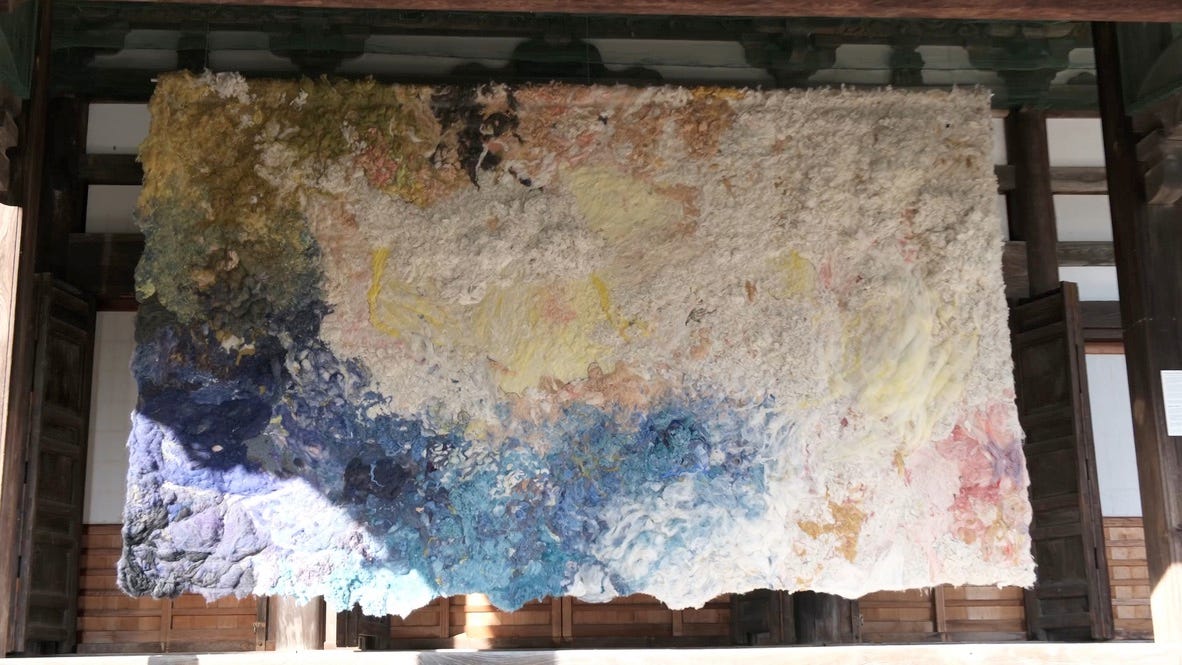
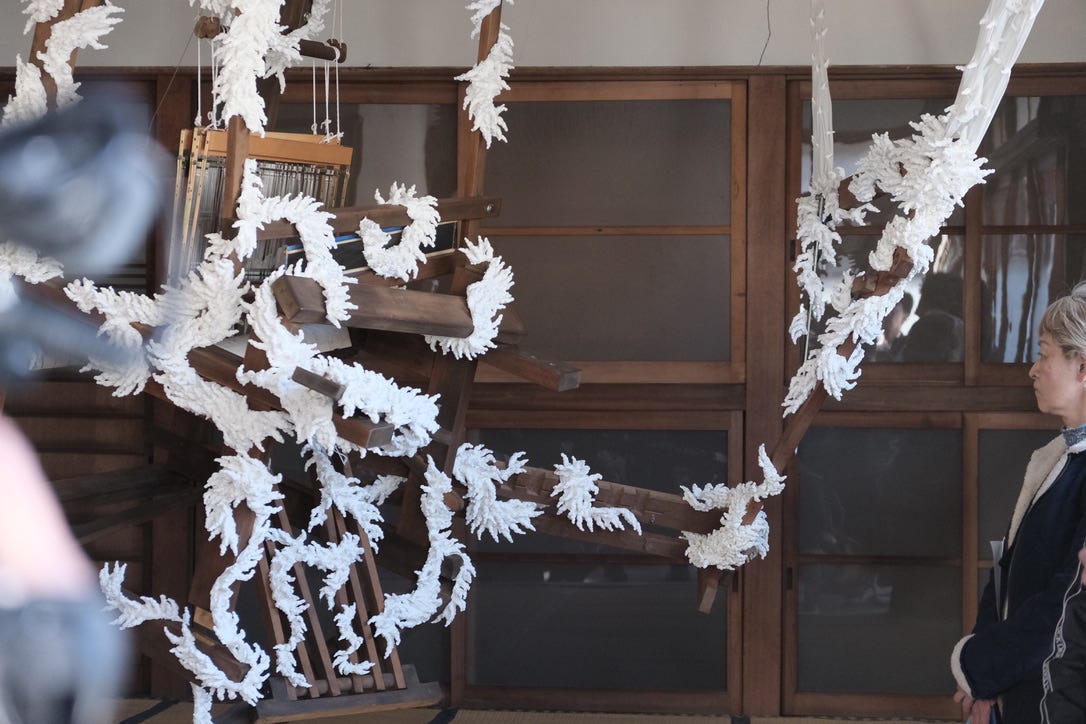
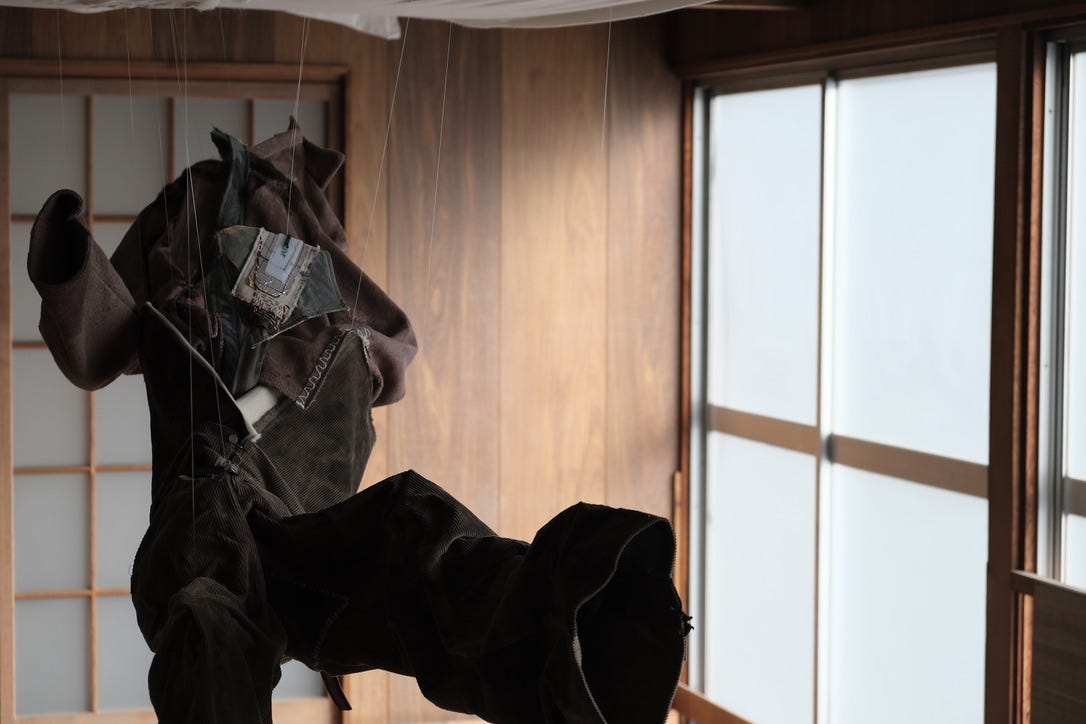
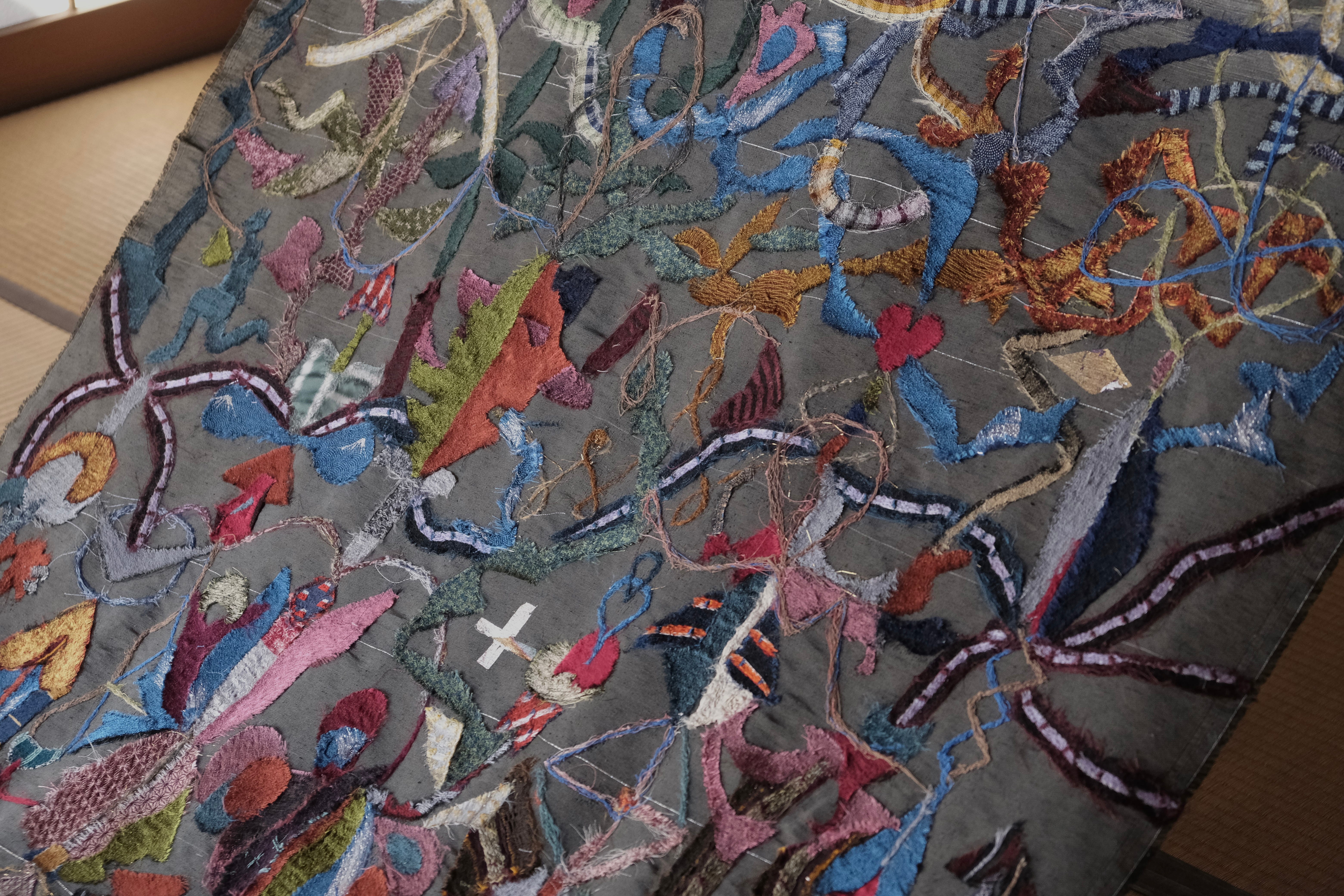
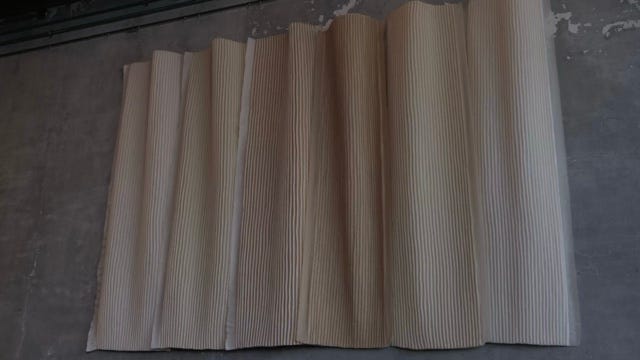
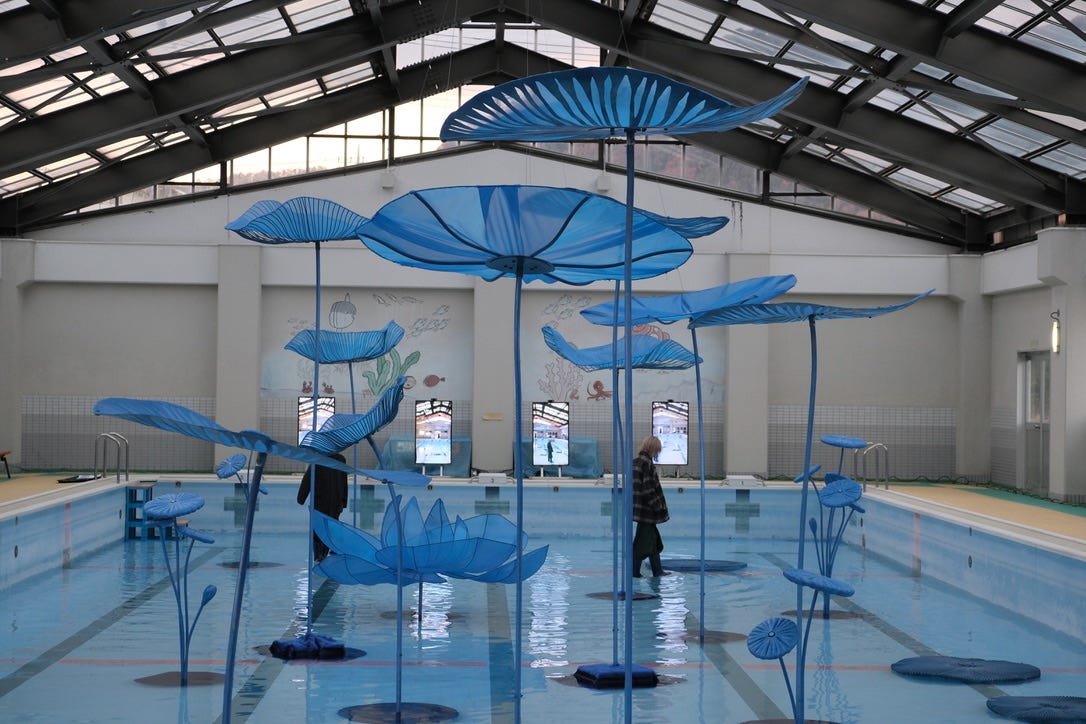
Today we’re walking around town to see more exhibitions tucked inside abandoned houses and unexpected corners. I love that there are things here you only find if you wander. (artwork photos below)
And here’s the part I didn’t expect. I’m happy to be back. The dread I felt wasn’t a warning, but a misunderstanding. I didn’t return to repeat who I was last time. I came back to see who I am now.
I’m grateful that both Lea and the universe ignored my protests and dragged me here again.
Photo Journal - Fuji Textile Week